


ARTIST STATEMENT
The Puppet
My work is an expression of both what goes on in my mind and the world around me. If I had the ability to write, I would—but instead, I paint. I have long been interested in philosophical ideas about existence, ever since I asked my mother as a child, “Why is there something rather than nothing?”
For the past few years, I have been developing an ongoing theme titled The Puppet Show, which playfully questions the idea of free will. This particular series presents portraits and objects, where each subject is accompanied by items that point toward their life’s work, calling, or the continuous mastering of an individual talent.
Things become complicated when the object becomes the master of the subject—as life happens and mastery transforms into merely a means of survival. When the show, or the puppet, begins to control the master, the joy disappears and the plot is lost. Life becomes a constant chase for the reins until we pause, disconnect, and reconnect again with the deeper reason behind what we do.
For now, I have resolved to let “The Calling” be the master. As much as I love the idea of free will, surrendering to one’s calling makes life feel like a ride—much like a puppet floating across a stage, every step guided and carried forward until the story is complete.
ARTIST BIOGRAPHY
Born in Umtata, Transkei, in 1982, I always found comfort in art as a way to express myself as a naturally shy introvert.
In 1997, I began teaching myself how to paint using watercolours, interpreting an image of a bouquet of flowers in a jar from a greeting card.
As a self-taught artist, I have continually experimented with different media, including pastel and acrylic on canvas, eventually evolving towards oil paint as my preferred medium.
November 2024
ARTIST STATEMENT
RARE
This series celebrates the shared beauty that connects all of us to each other and the world around us. At its core, RARE reflects the idea that we are all unique, valuable, and irreplaceable.
I explore both meanings of the word “RARE” to capture how, at certain moments in life, we are broken down to our raw, unfiltered selves. Like delicate ornaments, it is through this breaking that we can rebuild into something even stronger, more distinctive, and resilient. When life dismantles us, what remains are our most authentic, precious parts—both RARE and RAW.
This exhibition is designed to leave a lasting impression through its striking visual elements and symbolic use of materials. For some pieces, I’ve incorporated recycled wooden panels and drop sheets, joined with hinges to represent the process of reassembly. These materials echo the theme of renewal, reminding us of the beauty and strength found in transformation.
Through this series, I invite viewers to reflect on their own experiences of being broken and rebuilt, and to find inspiration in the resilience that makes each of us truly RARE.


ARTIST STATEMENT
The intricate workings of the human psyche and the unseen layers of the mind profoundly shape how we perceive ourselves and the world. Beyond influencing how we process information, the psyche also governs how we think, feel, and respond to the external world.
Swiss psychoanalyst and psychiatrist Carl Gustav Jung defined the psyche as the conscious and unconscious totality of the mind (Jung, 1960)—a realm as complex as it is mysterious. His categorization and study of the mind sparked in me an intense need to explore how the psyche, particularly the shadow and the self, shapes my experiences of mental illness and trauma. In Man and His Symbols (1964), Jung describes the shadow as a part of the psyche operating beyond our conscious awareness, containing the aspects of ourselves we reject: unwanted traits, desires, and impulses that remain unrecognized by the conscious mind. Jung suggests that by consciously engaging with the shadow, we can move toward a more balanced and integrated self.
While Jung’s concepts inform my conceptual development, my work is primarily driven by personal experiences with mental illness and trauma. This has evolved into practice-led research that integrates therapy, introspection, meditation, prayer, and the confrontation of my own fears and insecurities.
The Flowers Are Still There is a body of work born from this process, visualizing the unveiling, confrontation, and acceptance of my shadow as a means of healing, reclamation, and individuation. Through this work, I explore elements of my unconscious, engaging with repressed emotions, memories, and behaviors that form the intangible shadow. It is, at its core, a self-reflective journey to understand, confront, and transform my shadow.
The title, The Flowers Are Still There, symbolizes the ecstasy I felt upon returning to a place of darkness after years of struggle, only to discover that the flowers—though imperceptible during my darkest hours—had been there all along.
ARTIST BIOGRAPHY
Jako Pretorius (b. 1994, South Africa), known professionally as OKAJ, is a visual artist currently completing a Bachelor’s degree in Visual Multimedia Arts at the University of South Africa (UNISA).
Specializing in mixed media, Jako’s work delves into the complexities of the human psyche, focusing on the ever-evolving nature of humanness and the interconnectedness of soul, mind, body, nature, and God. He explores the interplay of color, texture, and emotion, using a metaphorical approach to comment on mental health, psychological states such as addiction, depression, and schizophrenia, and the broader social implications tied to these themes.
Jako’s creative process embraces a variety of mediums, techniques, and experimental methods. He is inspired by the versatility of combining materials to create artworks that are colorful, quirky, and bold. His community work serves as a significant source of inspiration, as he draws from the resilience and growth of those he encounters to convey themes of strength and transformation in his art.
Through his unique visual language, Jako seeks to spark reflection and dialogue, offering an authentic exploration of the human condition.


I have always felt a deep connection to the ocean, and my paintings aim to capture its endless movement and shifting moods. Through these works, I invite viewers to experience intimate, immersive moments with the sea—where the shore fades from sight.
In my series What Lies Beneath, I delve deeper into the surface of the ocean and its complex, multidimensional nature. I explore its transparency, reflectiveness, continuous motion, and the distortions it creates of the world beneath. Gazing down from above, the ocean remains a mystery. Its surface, shaped by wind, tides, and currents, is sometimes clear and transparent, allowing light to penetrate and reveal hidden depths. At other times, it becomes moody and opaque, with light diffusing slowly, casting shadows in the deep.
I work primarily with transparent oil paints, which share similar qualities to water: they are both translucent and reflective. By layering these paints, I build depth, saving opaque colors for the bright whites of the waves. From the very beginning, I am mindful of how light interacts with the painting, allowing the canvas’s whiteness to shine through and enhance the overall composition.
Mandy Lake was born in Surrey, UK, in 1968 and grew up in Johannesburg. Her passion for painting developed under the mentorship of André Naudé and Simon Stone. She later earned degrees in history and art history from the University of Cape Town and pursued studies in sculpture and illustration at the Foundation School of Art in Cape Town.
Throughout her professional career in design, illustration, and publishing, Mandy continued to explore sculptural ceramics and painting. In 2009, she joined Julia Teale’s Spencer Street Studios in Salt River, where Julia’s inspiration and support deepened Mandy’s love for the ocean. This connection evolved into a profound artistic focus as she sought to capture the ocean’s ever-changing moods, its ceaseless motion, power, light, and tranquility.
Living on the southern African coast, Mandy feels an intimate connection to the sea. Her artistic journey spans two dimensions. One is rooted in the impressionism of ocean moods and color palettes, where a moment can shift from dark, powerful, and threatening to sparkling and radiant, revealing countless shades in between. She draws inspiration from Claude Monet, particularly his portrayal of nature and the transient effects of light, capturing its fleeting beauty.
The other dimension is perspective. Mandy’s paintings are not traditional seascapes—they focus solely on the ocean itself. In this, she finds influence from American contemporary artist Ran Ortner, whose large-scale works of turbulent seas omit horizons, land, or sky. Like Ortner, Mandy concentrates on the ocean’s mood, submerged energy, and the primal connection we have to the water that gave us life.
Mandy is also captivated by the ocean’s translucent qualities. At times, it’s clear and transparent, allowing light to pierce its depths and reveal hidden treasures.
At other times, the ocean becomes moody and dense, with light slowing and casting deep shadows. At sunrise and sunset, light skims the water’s surface, scattering vibrant colors as waves break against the shore.
In April 2016, I held my first solo exhibition, Immersion, at The Cape Gallery. My second solo exhibition, Sheer Water, followed in 2018, also at The Cape Gallery, after I joined Tracey Payne at Victoria Art Studio in Woodstock in early 2017.
“I want viewers of my paintings to feel, even just briefly, a thrill, a resonance, a primeval pull that says, ‘Yes, I want to be there—it feels good.’ I think we all have that deep affinity and longing.”
I work primarily in oil on canvas, continually exploring the unique translucency of oil paints to allow light to radiate from within. I build my compositions through layers of transparent oils, reserving opaque colors for the whites of the waves. From the moment I begin, I am attuned to the shifting light and subtle hues that guide my artistic process.


What Lies Beneath | A Collaboration of Shells and Surface
In the exhibition What Lies Beneath, artists Mandy Lake and Noel McCully present a captivating fusion of nature and art. This collaborative project stems from their shared reverence for the natural world, inspired by the evocative exhibition of The Ardmore at The Mount Nelson.
Noel McCully breathes new life into pieces of wood, transforming them into intricate depictions of oversized shells. Through an elaborate process of chainsaw carving, grinding, and sanding, Noel reveals hidden forms within the wood, unveiling structures that are both unexpected and profound. Each piece retains the unique character and essence of the wood, while revealing new dimensions of form and texture.
Mandy Lake enhances these creations through a meticulous process of painting and sanding. Her techniques evoke the timeless beauty of shells weathered by time, ocean currents, and the sun. The resulting works invite viewers to experience the textures and subtleties of these pieces up close, while also appreciating their elegant forms from a distance.
What Lies Beneath offers a compelling exploration of form, shape, and beauty, encouraging a deep appreciation of the interplay between natural materials and artistic intervention.
Noel McCully, an architect by profession, has undergone a remarkable transformation into a chainsaw artist. Her background in architecture, combined with a passion for drawing and creativity, took an unexpected turn when she embraced the world of chainsaw art. A self-taught artist, Noel’s journey has been marked by relentless dedication to mastering this bold and expressive medium.
Her fascination with the chainsaw stems from its ability to shape solid wood swiftly and dynamically, allowing her to convey her love for nature, form, and oversized objects. These grand sculptures, with their commanding presence, challenge the ordinary and inspire awe with their larger-than-life magnificence. Noel began her artistic journey by crafting colossal wooden shells, each piece presenting a unique challenge in capturing the essence of the shell while preserving the unmistakable touch of the chainsaw.
Overcuts, natural cracks, texture, and character are seamlessly integrated into each sculpture—sometimes as happy accidents, but more often through deliberate design.
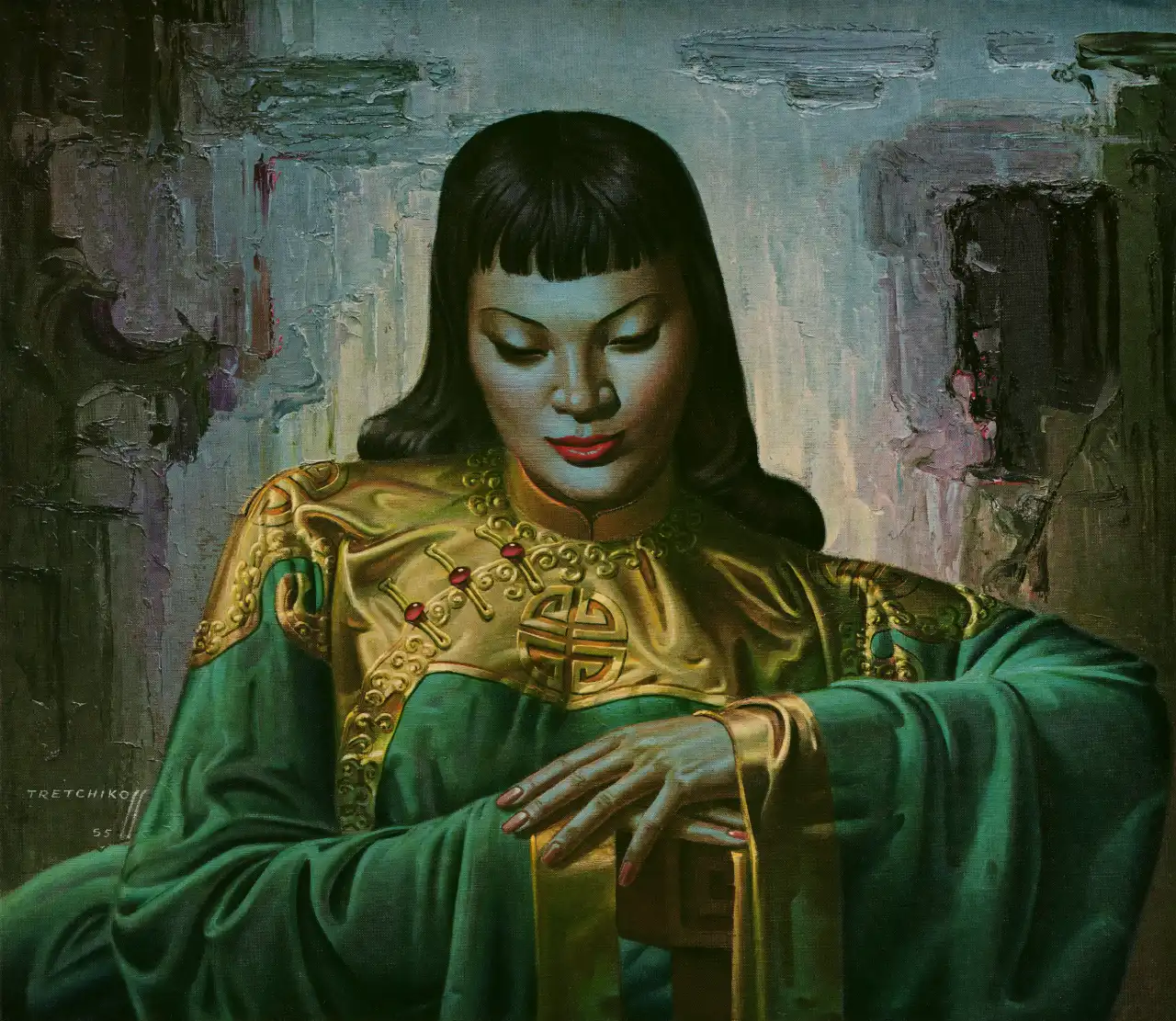
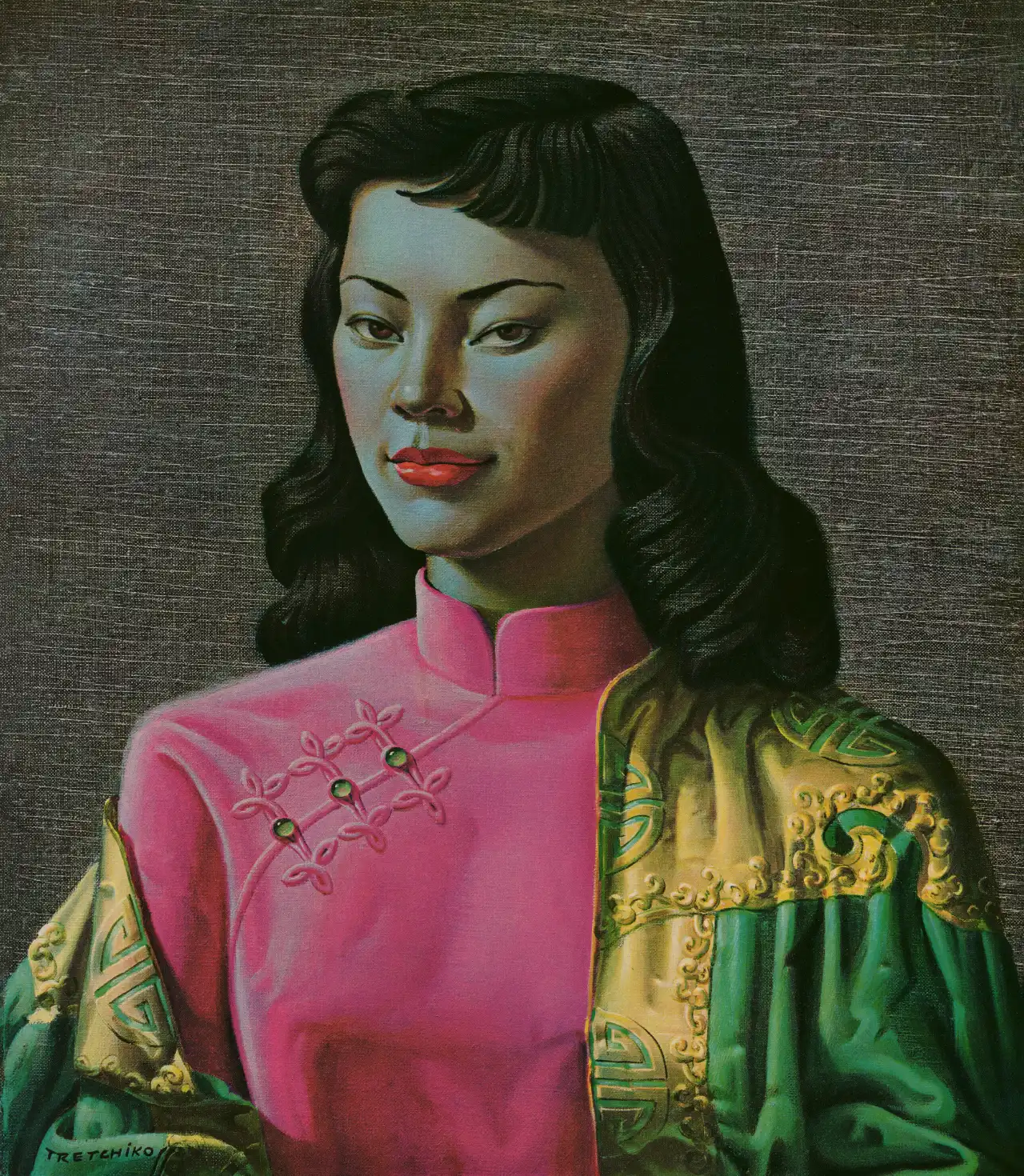
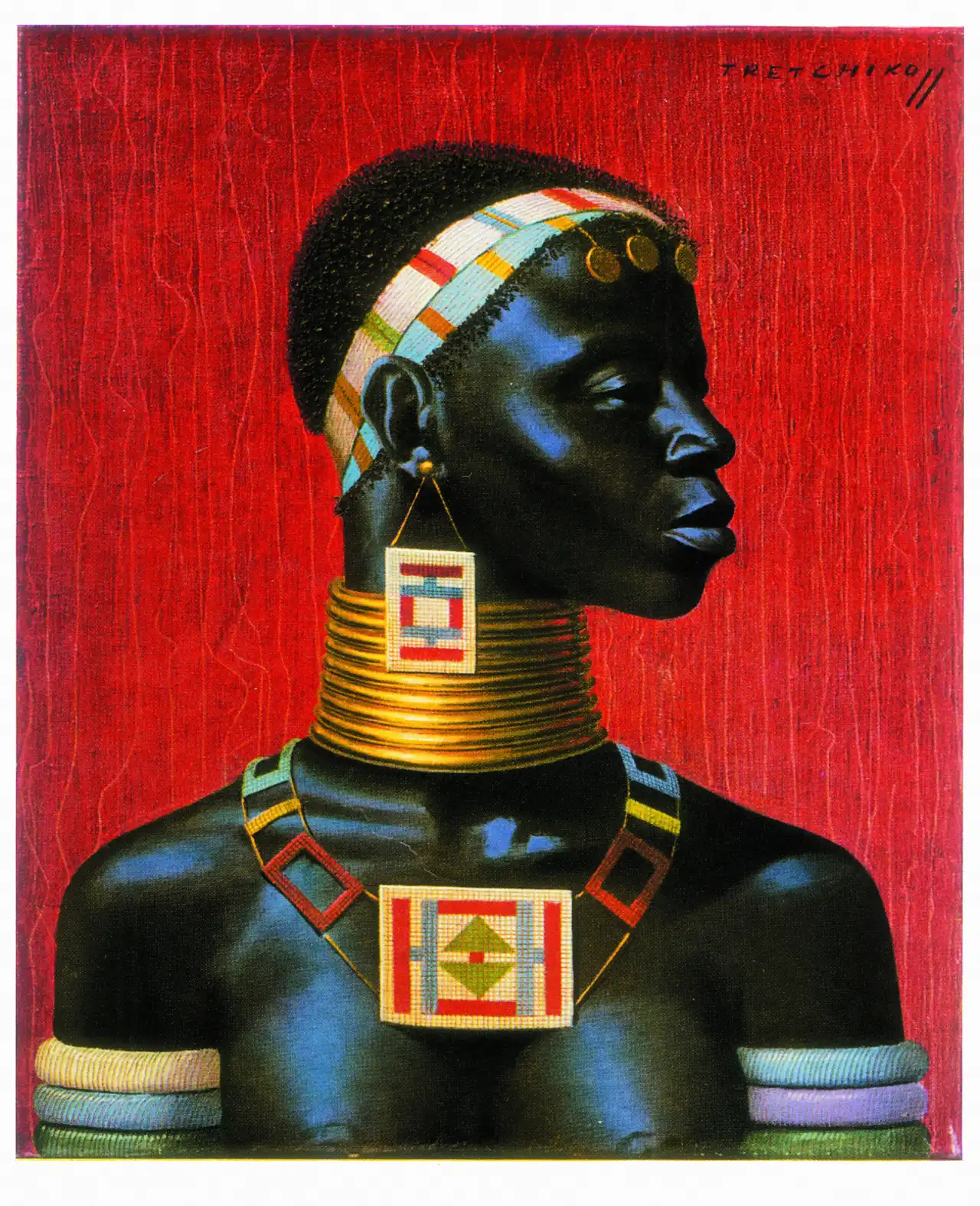
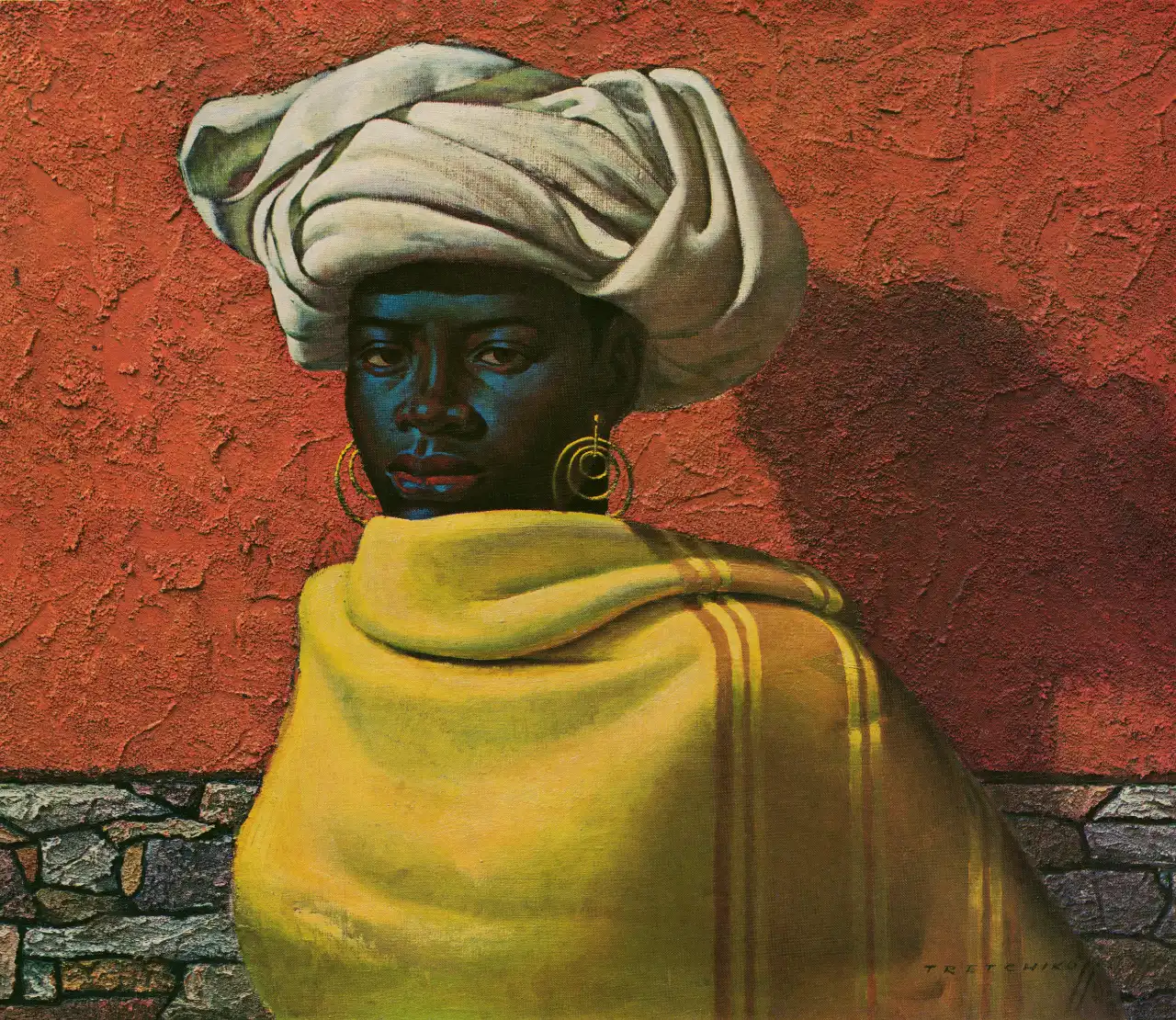

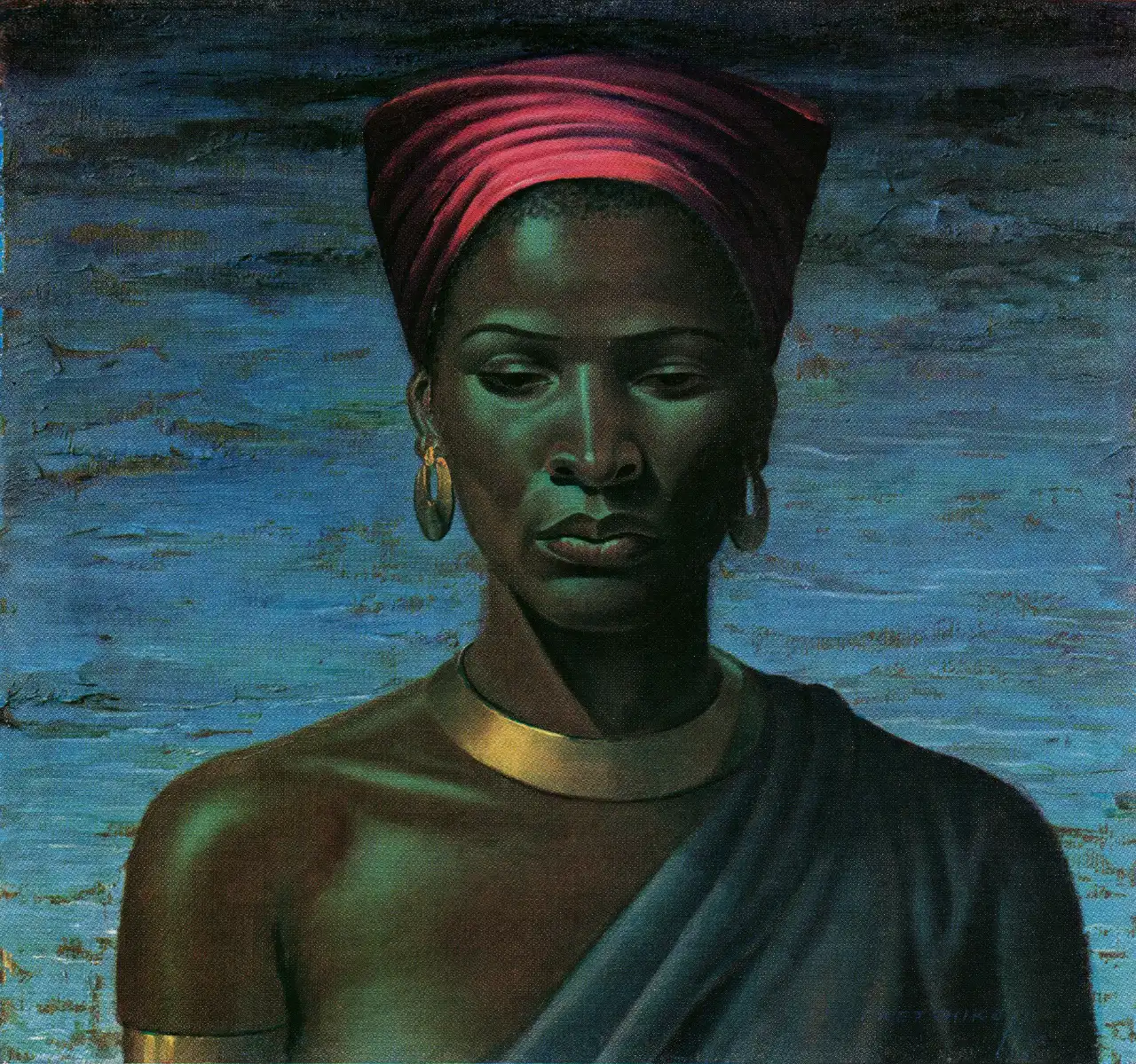

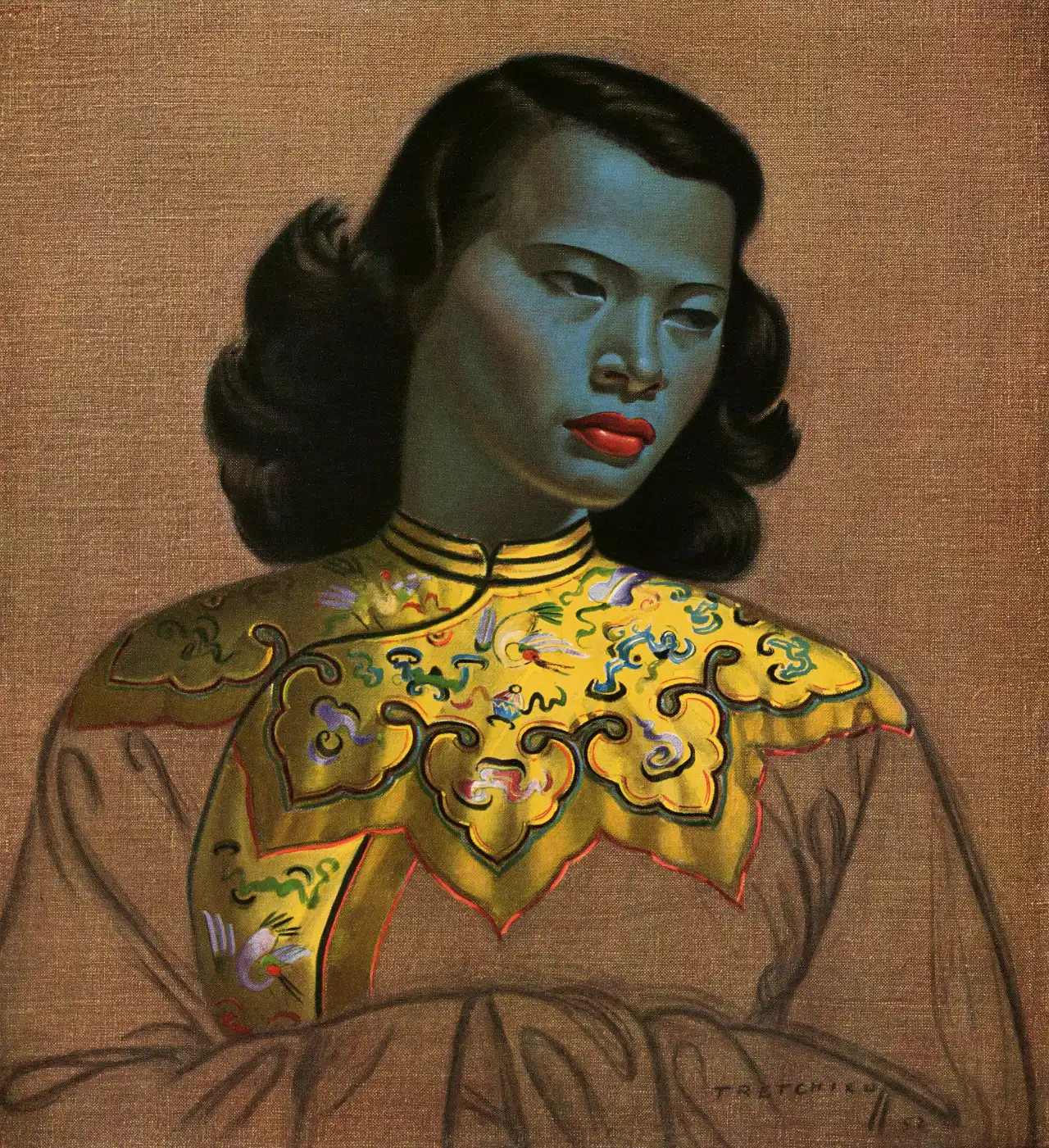


In this exhibition, Vladimir Tretchikoff’s portrait series represents a collective narrative, allowing the subjects to “speak” to each other across the space. These faces, some familiar and iconic—such as The Chinese Girl, one of the most reproduced prints of the 20th century—others more intimate, form a conversation about identity, culture, and beauty across borders. Each subject, painted in vibrant colours and bold strokes, carries their own story. Yet, when viewed together, a deeper, shared language begins to emerge.
Tretchikoff’s portraits are not merely representations of individuals; they are symbols of humanity. When gathered, they reflect not only their diverse origins but also a universal spirit that transcends race and place. Each figure embodies an ideal of beauty that is both exotic and familiar. The Lady from the Orient gazes with quiet elegance, her serenity mirrored in the subtle strength of Miss Wong. These portraits exchange looks across the room, like old friends who have lived through the same story but express it differently.
When placed side by side, these works begin to communicate—not only with the viewer but also with one
another. The delicate, intense expression of Zulu Girl contrasts with the cool allure of The Chinese Girl, yet both speak of a kind of beauty that captivates and defies simple definition. In this exhibition, the cultural tensions and harmonies between his subjects become more vivid. The portraits carry their own individual histories, yet together, they weave a richer narrative of global beauty and shared human experience.
Tretchikoff always sought to reveal the inner lives of his subjects through the external colours of their skin and clothing. Now, as they gather here, it becomes clear how they are united by a common, unspoken emotion—an aura that lingers between them, like an unbroken thread of connection. Their differences create a dialogue of contrast, while their similarities echo the universal. In this context, each painting becomes not just an isolated work but part of a larger mosaic—one that reflects the diversity, mystery, and unity of the human spirit.
This exhibition invites viewers to witness this conversation and listen to the silent dialogue these portraits create. Their gazes draw the viewer in, revealing a hidden language—one that speaks of beauty, diversity, and the many faces of humanity.
Vladimir Grigoryevich Tretchikoff was a self-taught artist, best known for his iconic painting Chinese Girl (commonly referred to as The Green Lady), which became one of the best-selling art prints of the 20th century. Born in Petropavlovsk (now Petropavl, Kazakhstan) in 1913, Tretchikoff’s family fled Russia during the revolution and settled in Harbin, China.
He began his artistic career in Harbin, working as a scene painter at the Russian opera house and receiving early commissions. Tretchikoff later moved to Shanghai, where he worked as an illustrator and art director, before relocating to Singapore just before World War II. During the war, he became a propaganda artist for the British but was captured by the Japanese after his evacuation ship was bombed. He spent the remainder of the war in Java, where he continued painting under Japanese supervision.
After the war, Tretchikoff reunited with his family in South Africa, where he settled in 1946 and became a prominent figure in the local art scene. His bold, vibrant portraits of Asian women, as well as his still lifes, quickly gained popularity. While many art critics dismissed his work as kitsch, Tretchikoff’s art appealed to the public, and his prints became ubiquitous in homes across the world during the 1950s and 1960s.
Tretchikoff’s exhibitions in the United States, Britain, and South Africa attracted record-breaking crowds. In 1962, over 205,000 people attended his show at Harrods in London. Despite criticism, Tretchikoff embraced his commercial success, proudly acknowledging his popularity with the masses. He passed away in 2006 in Cape Town, leaving behind a legacy as one of the most commercially successful artists of his time, bridging the gap between popular art and fine art.


L’APPEL DU VIDE - The Call of the Void
“The call of the void” can be described as ‘an intrusive thought compelling one to jump from a high place.’ It has been documented and discussed throughout the ages by laymen and scholars alike. Recently, it has been suggested that this urge, far from describing a desire to die, can just as easily be viewed as a call to live!
And this is how I choose to see it: to hurl oneself into life, full of confidence and resilience - to live passionately without self-consciousness. I see it as a call to action, to experience all that life has to offer…and it is in this spirit that I offer this retrospective to you.
The void calls, take a leap of faith.


ARTIST STATEMENT
Multidimensional Magic
From figurative to complete abstract, creating and innovating fine art in multidisciplinary techniques. Much emphasis is placed on experimentation with used and new materials/mediums (mixed media), whilst always striving to be unique and original. Being on the cutting edge of modern art is where my passion lies.
ARTIST BIOGRAPHY
I was born in Port Elizabeth, South Africa, and from a young age showed a keen visual interest in the world around me, encouraged by a strong artistic flair that runs through my family.
While studying the history of art, I was fascinated and inspired by the French Impressionist movement from the 1870s, and the unique characteristics they introduced into their work—not least the accurate depiction of light and its changing qualities.
Following my studies at Nelson Mandela University in art, photography, and graphic design, I pursued a long and successful career in the advertising industry. The variation and creativity of visual material and ideas required in this profession.
2024
ARTIST STATEMENT
Mona Lisa - The art of Upcycling
From figurative and representational to complete abstract, creating and innovating fine art in multidisplinary styles and techniques.
Much emphasis is placed on experimentation with used (waste) and new materials and mediums, whilst always striving to be unique.
ARTIST BIOGRAPHY
I was born in Port Elizabeth, South Africa, and from a young age showed a keen visual interest in the world around me, encouraged by a strong artistic flair that runs through my family.
While studying the history of art, I was fascinated and inspired by the French Impressionist movement from the 1870’s, and the unique characteristics they introduced into their work - not least the accurate depiction of light and its changing qualities.
Following my studies at (NKA) the Nelson Mandela University in art, photography and graphic design, I pursued a long and successful career in the advertising industry. The variation and creativity of visual material and ideas required in this profession, has certainly influenced my painting and photography significantly. From figurative and representational styles to complete abstract, I create and innovate art in multidisciplinary techniques. Much emphasis is placed on experimentation with used (waste) and new materials and mediums whilst always striving to be relevant and unique. One of my main objectives is to achieve an exceptional standard for myself and my art audience / buyers, who appreciate a high level of creativity and quality in fine art.
To keep a purity and traditional thread in my work (not to mention the enjoyment and challenge) I still regularly paint directly outdoors, ‘en plein air’, to effectively and spontaneously capture a scene with its own particular colours and light at the time. Landscapes dominate my subject matter in this discipline through my love of the outdoors and the beauty in nature - acrylic paint is the main medium I work in for ‘en plain air’ painting.
As with painting, the art of photography holds a special appeal and interest for me. Truly understanding composition, imagery, light and timing are key to mastering this magnificent medium. Capturing that key, fleeting moment on camera is the most challenging and rewarding achievement, for me.
“You don’t make a photograph just with a camera. You bring the act of photography to all the pictures you have seen, the books you have read, the music you have heard, the people you have loved”. Ansel Adams.
Success I believe is achieving a timelessness in my work, and one in which the collectors and owners of my art pieces never tire of the visual enjoyment experienced.
As a multidisciplinary artist, my different styles and techniques are divided into four brands.
Gavin Larkin / Dushana / Neil / Nivag
I am based in Cape Town, South Africa, and have been practicing as a professional artist for the past three years. At least seventy percent of my work sold to date, through galleries and direct commissions, have been to overseas buyers.


ARTIST STATEMENT - February 2026
Hear Me is about how meaning gets lost in a world full of noise, images, and too many choices. It looks at love, trust, and conflict, and how they’ve changed over time. This is my message of advice to every generation.
Overall, my collection is about slowing down, questioning what we’re told, and learning to listen — not just with our eyes, but with intention and feeling. In a world where life is hard enough, our decisions shape generations, whether we believe it or not.
Hear Me!
Love, Distorted
My generation
Represents how love isn’t what it used to be. With so many options and constant access to new people, loyalty feels weaker and commitment feels temporary. The broken wording reflects how love has been changed, edited, and often treated as disposable.
Seeing isn’t believing
The new generation
Speaks to how easy it is to believe things at face value. We’re shown so much every day that it’s hard to know what’s real and what’s controlled or fake. The work is a reminder to question what we’re being fed.
Wars we didn’t choose
Old generation
Represents wars and conflicts that are passed down rather than chosen. They speak to a generation that is tired of being handed violence, beliefs, and problems that don’t belong to them. We choose love, kindness, compassion, respect, and equality in all walks of life.
The Bare Bear sculptures
For all generations
The Bare Bear sculptures show the difference between thinking and feeling. One bear exposes a brain, symbolising logic, overthinking, and being shaped by outside voices. The other exposes a heart, representing emotion, vulnerability, and intuition. Together they ask whether we listen with our heads or our hearts, and how that shapes everyday life in different ways.
ARTIST STATEMENT
My name is Ashley Algeria Ferreira, otherwise known as That’s Ash. I was born and raised in the East of Johannesburg. I love all things colourful and vibrant. As a child, taking things apart to change their appearance was an everyday adventure — I needed to ensure everything I owned was unique to me.
When Covid struck, I had the unique opportunity to reflect on my life, and I decided to make a bold move to Cape Town with no clear direction or intention. Here, I discovered my true passion for creating through spray painting, painting, and sculpting. I’ve since been able to bring my imagination to life in unique ways.
As a versatile artist, I am driven by the exploration of diverse materials and mediums, ensuring that each piece I create is one of a kind. My work spans a wide range of styles, from vibrant, colourful compositions to textured, technical designs. I take great satisfaction in the entire creative process, from conceptualising and crafting my artwork to refining each detail. Embracing a hands-on approach, I believe in experimenting with every possibility and dedicating myself fully to each project I undertake.
My true passion blossomed when I created my own character, Bare Bear. From the first sketch, I knew this was the one. I have since brought him to life in sculptural form and continue to create entire collections dedicated to this character.
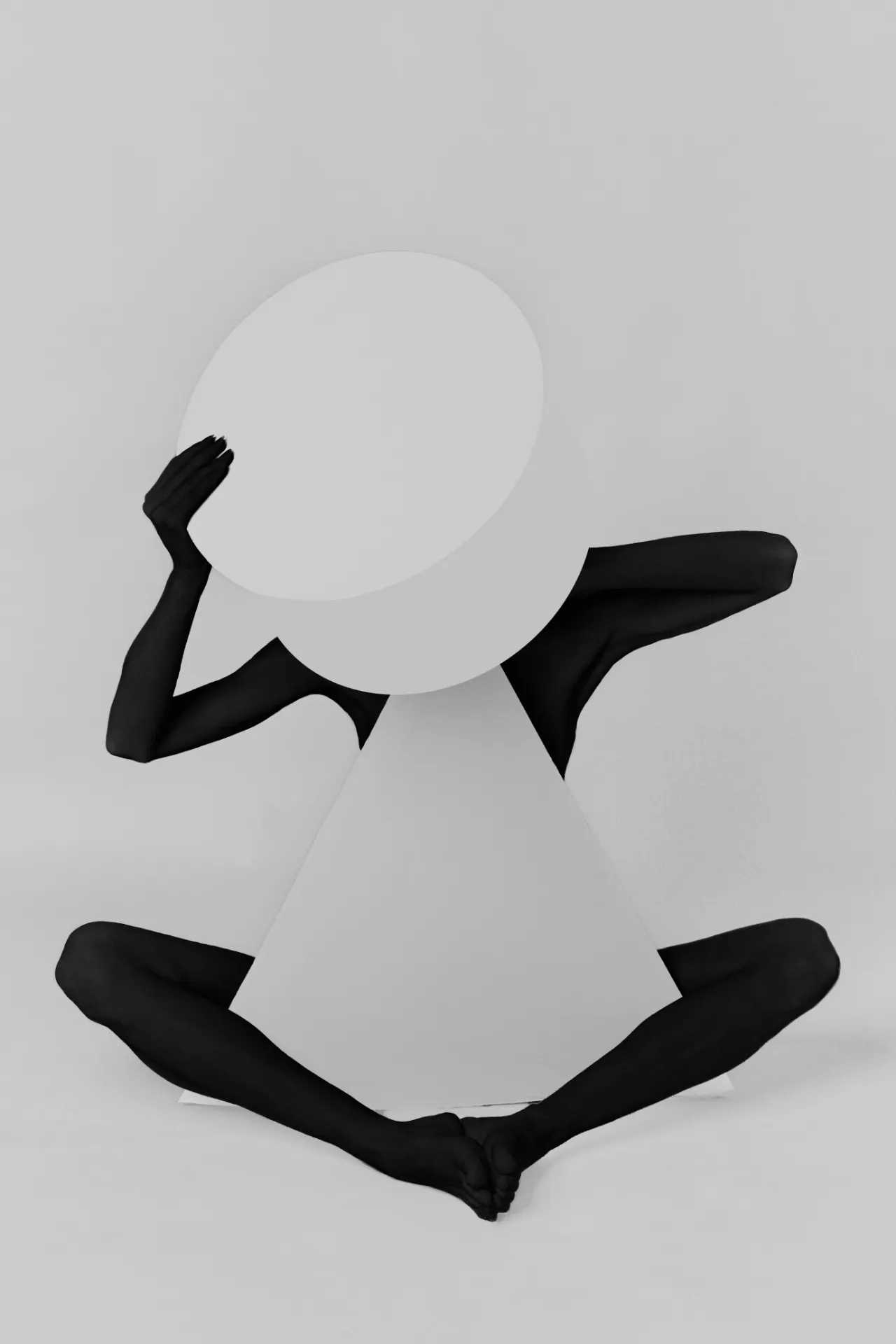
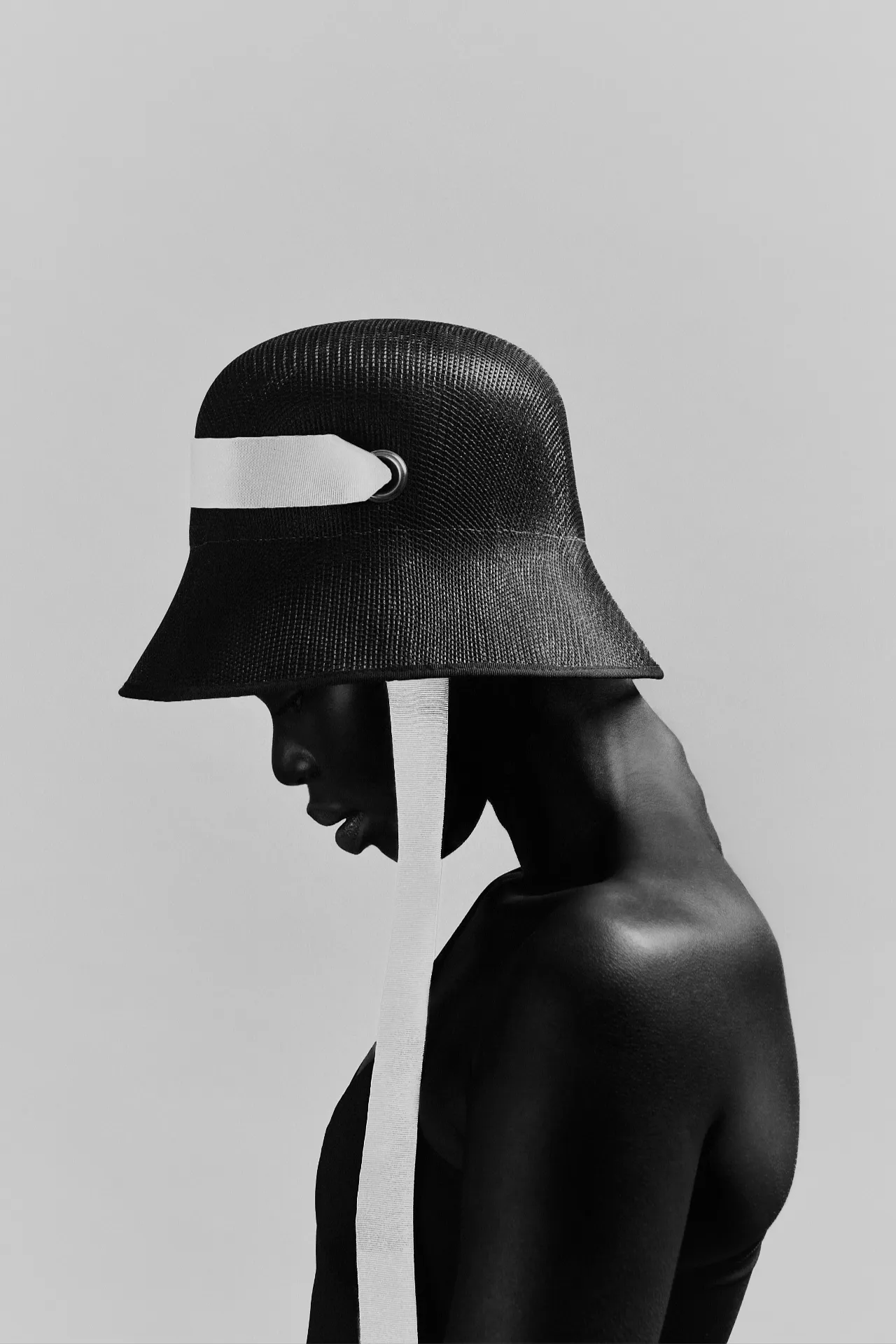


nothing is permanent
nothing is finished
nothing is perfect
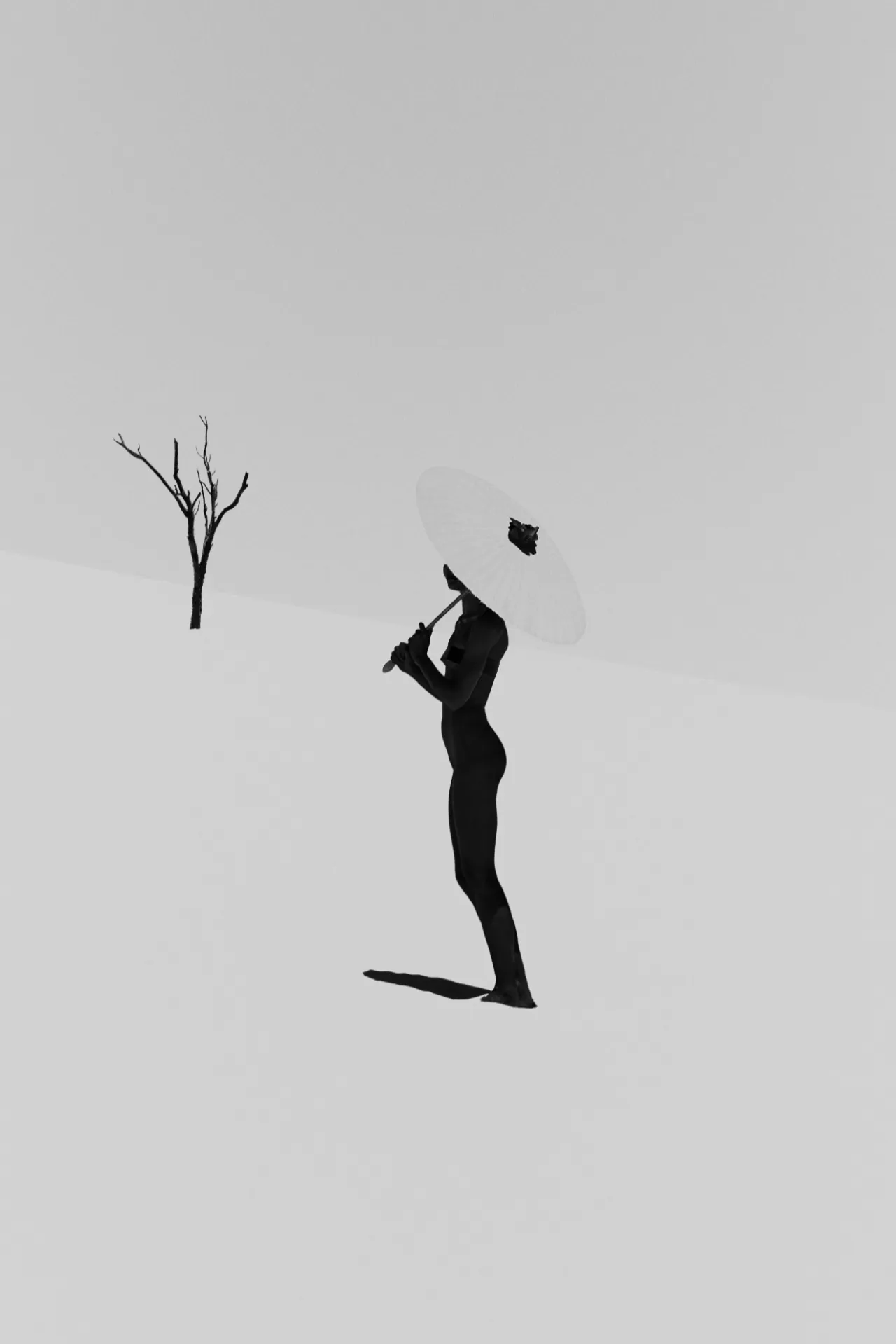
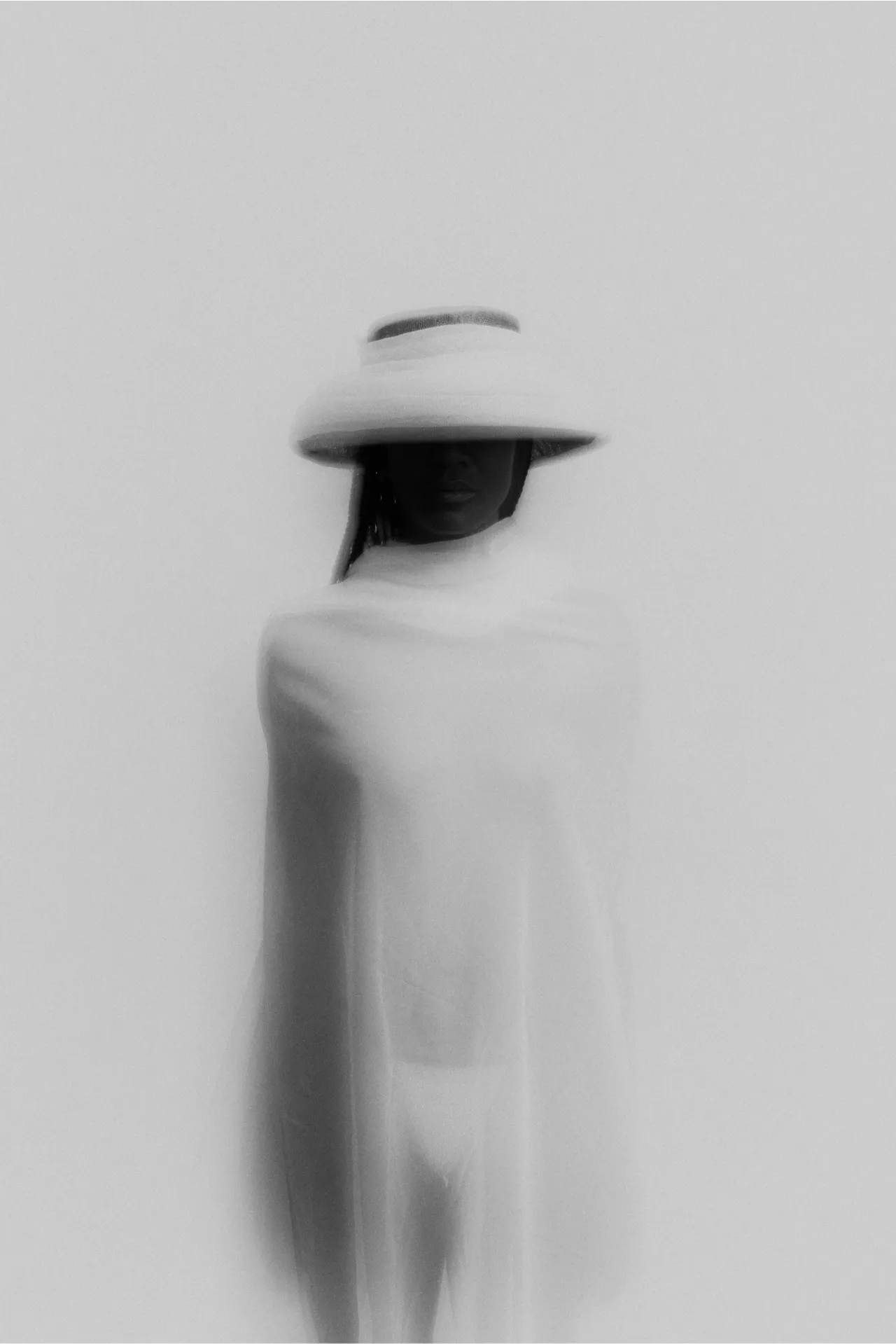
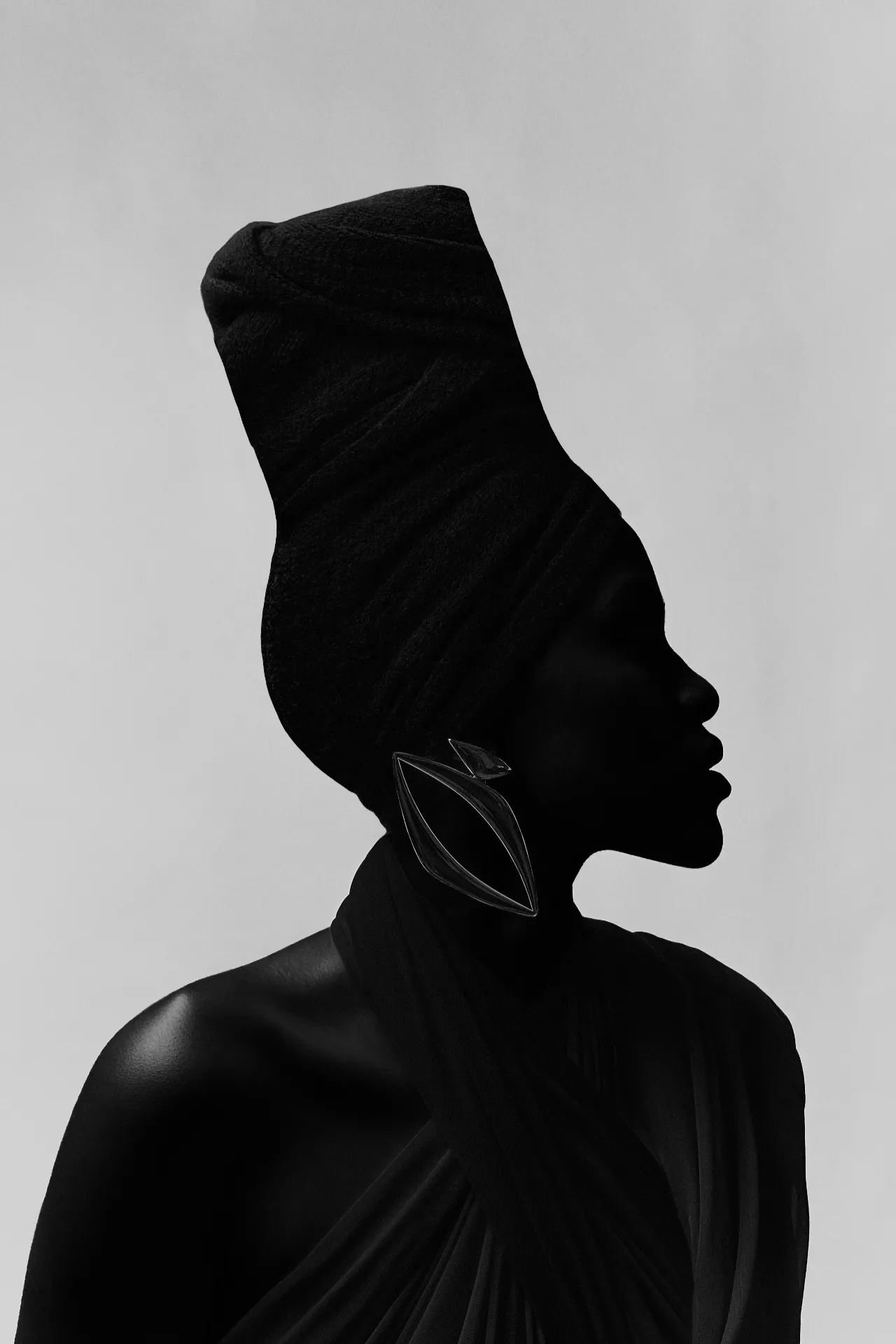
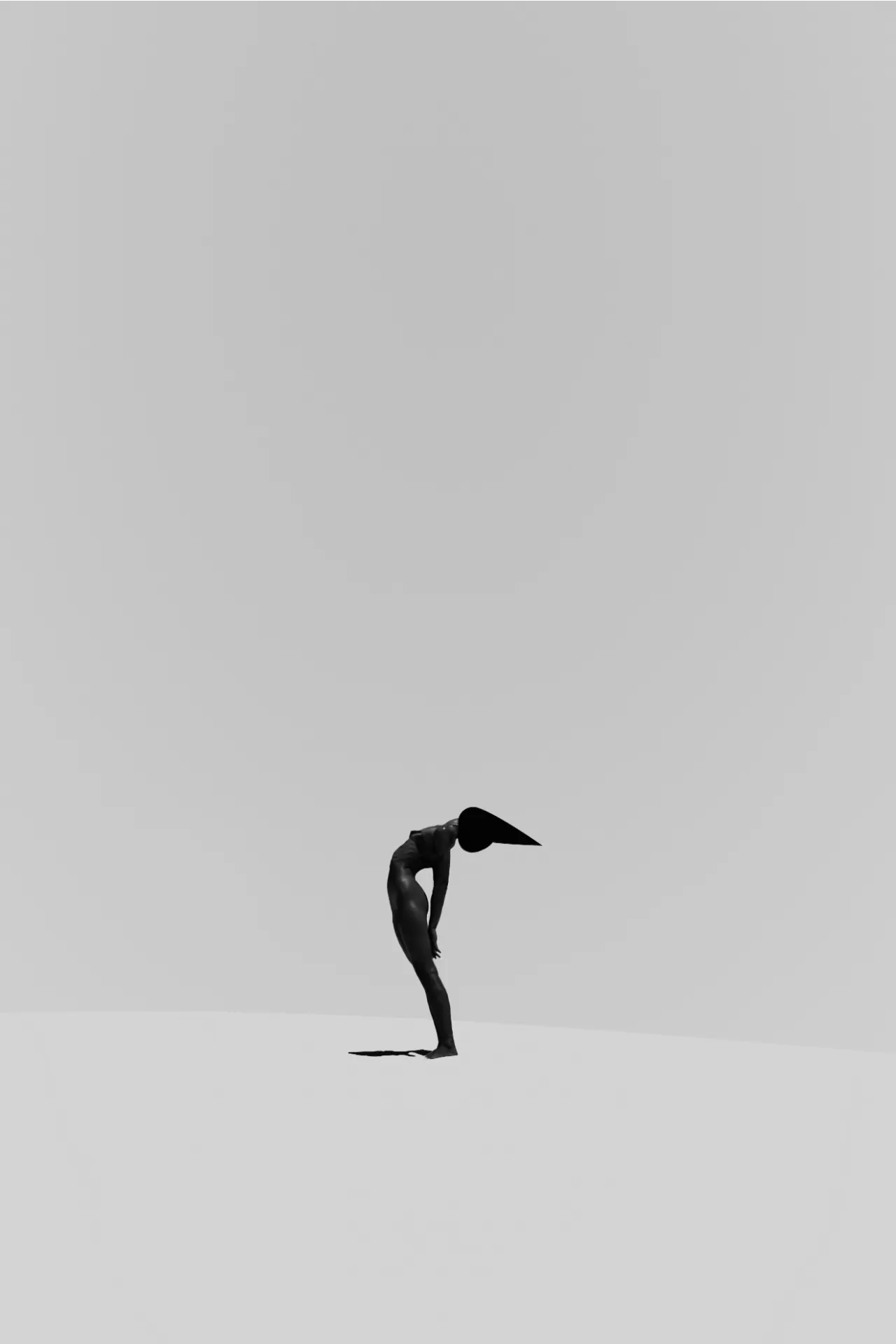
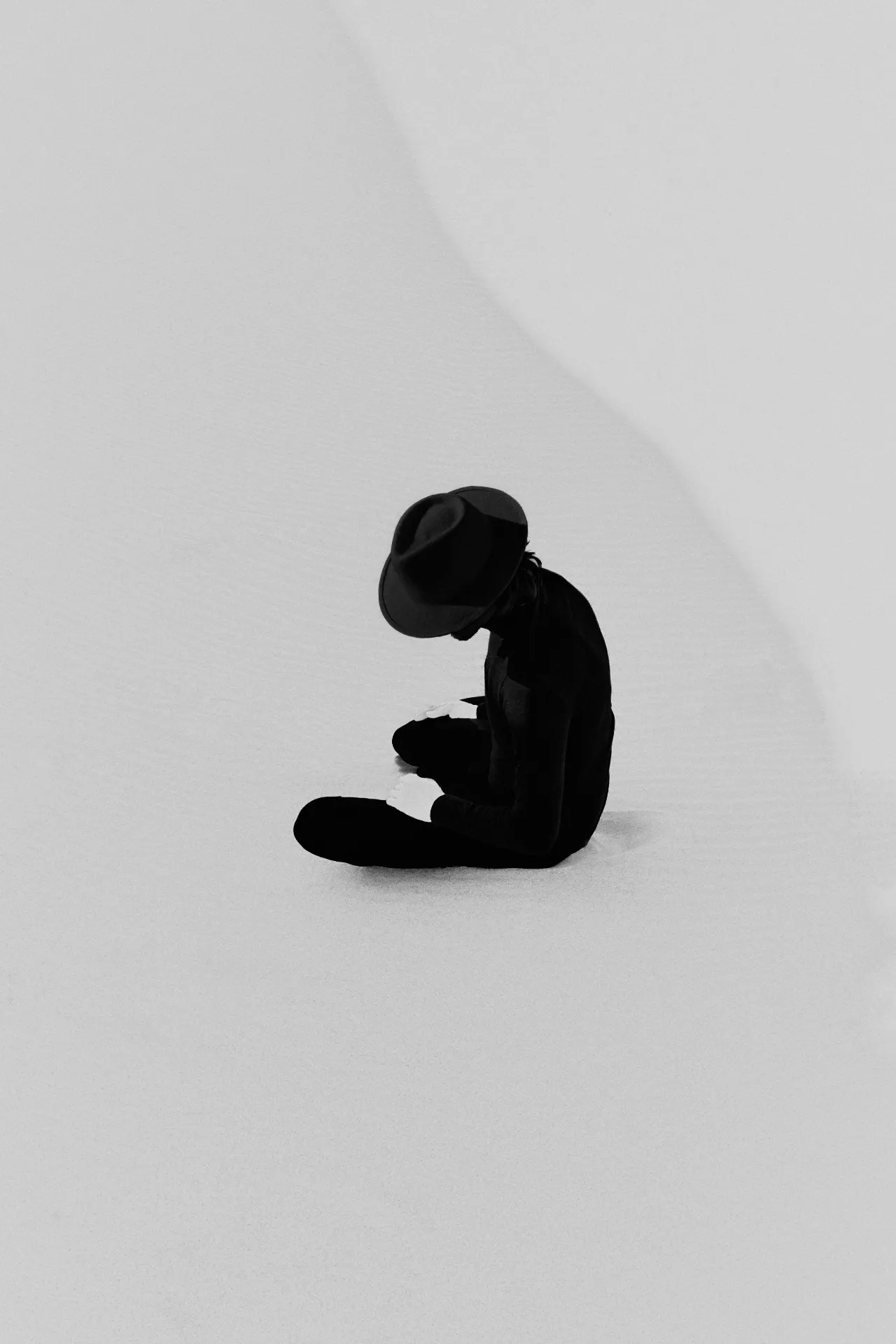
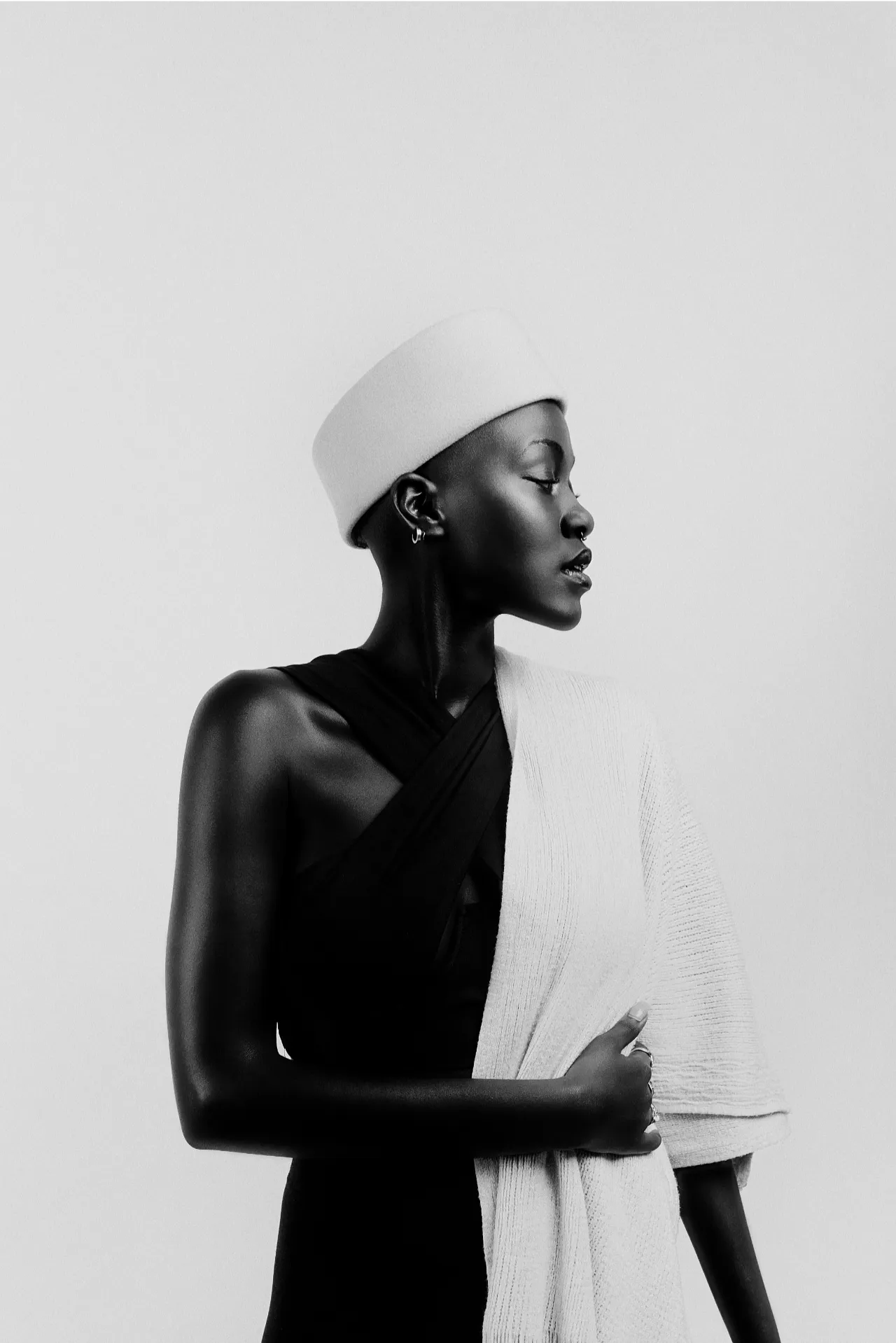
I show beauty without a face.
Something away from lust, an expression of the moment.
I believe in our strength, and that we are capable of more.
To free the mind and let the body create.
That a part of beauty is honesty.
Free from the bondage of restrictions.
True creativity in a grainy silence.
Creating a new-old world.
With the absence of disturbances.
nothing is changeless
nothing is flawless
nothing is absolute


My style is influenced by Pointillism and Mosaic. I paint because I want the viewers to somehow relate and be moved by my work. I express my views and opinions on women empowerment and cultural identity, l’m inspired by society and the people I live with.
“Amagugu nenkcubeko” explores the ideas of cultural identity, cultural identity acts as a way to preserve history and provides individuals with a sense of belonging. Our different cultures serve as an invisible bond, which brings us together.
The colors I usually use are to evoke a feeling or certain emotions. This series consists of the mediums of acrylic paint, Gold leaf, fabric and dry Acrylic paint peels, these mediums give different textures and rhythms to ignite emotional reactions. I continually explore different color palettes and color relationships to make my work sing with vibrancy and color and evoke emotions.
The purpose of these portraits is to generate strong emotions and create a sense of beauty. Our heritage is our unique, inherited sense of family identity.
