



ARTIST STATEMENT
Praying Mantis
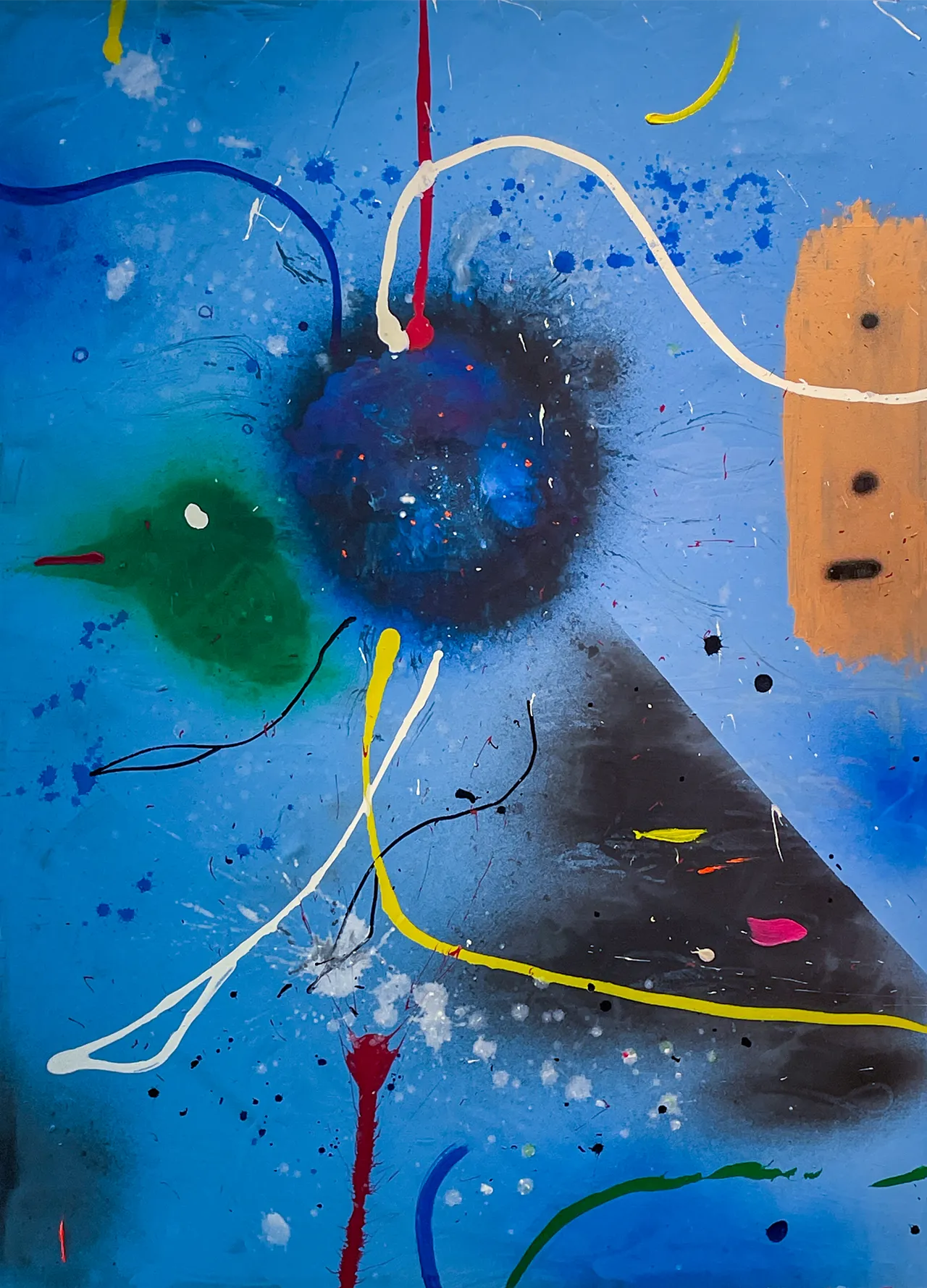
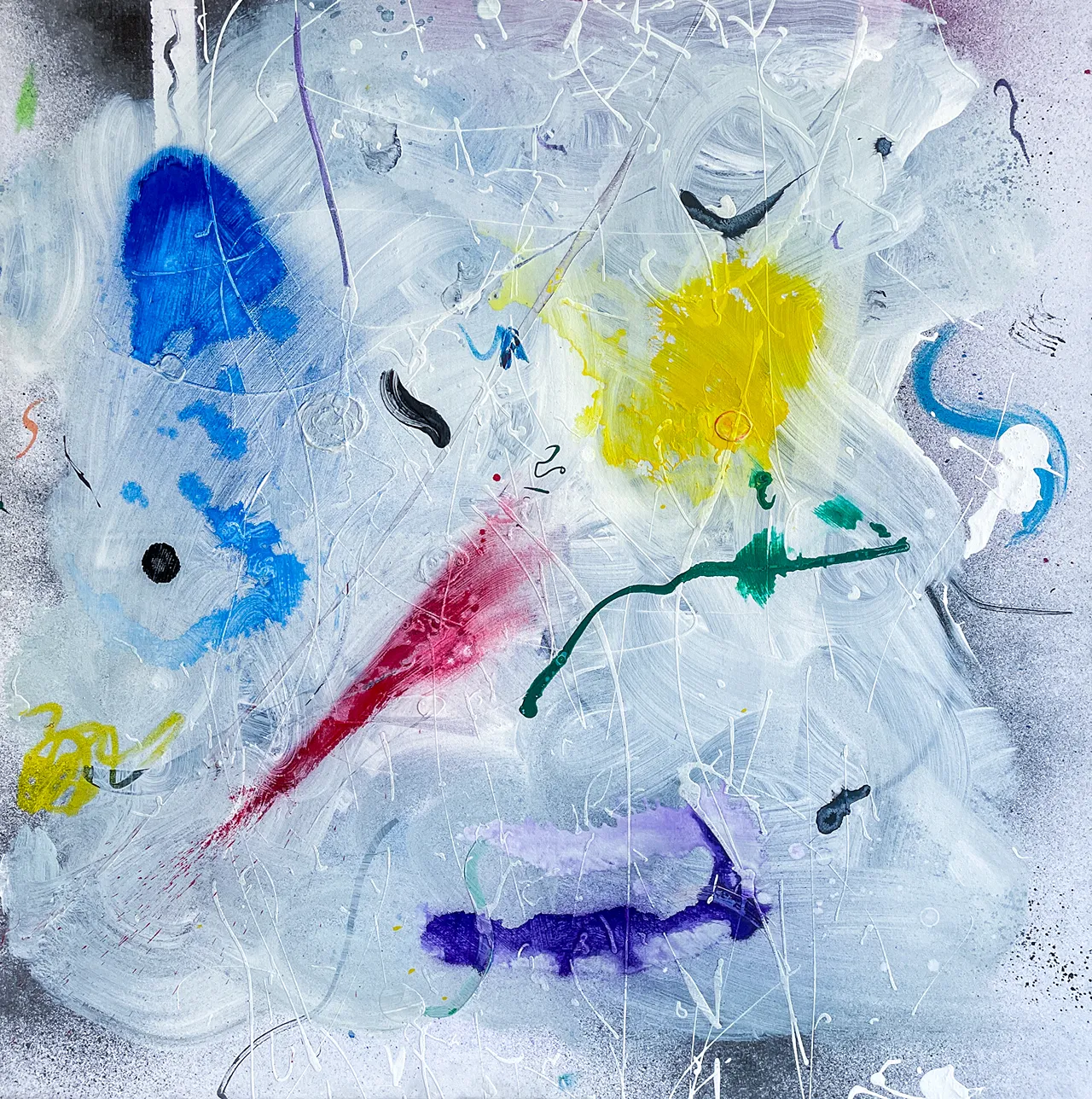
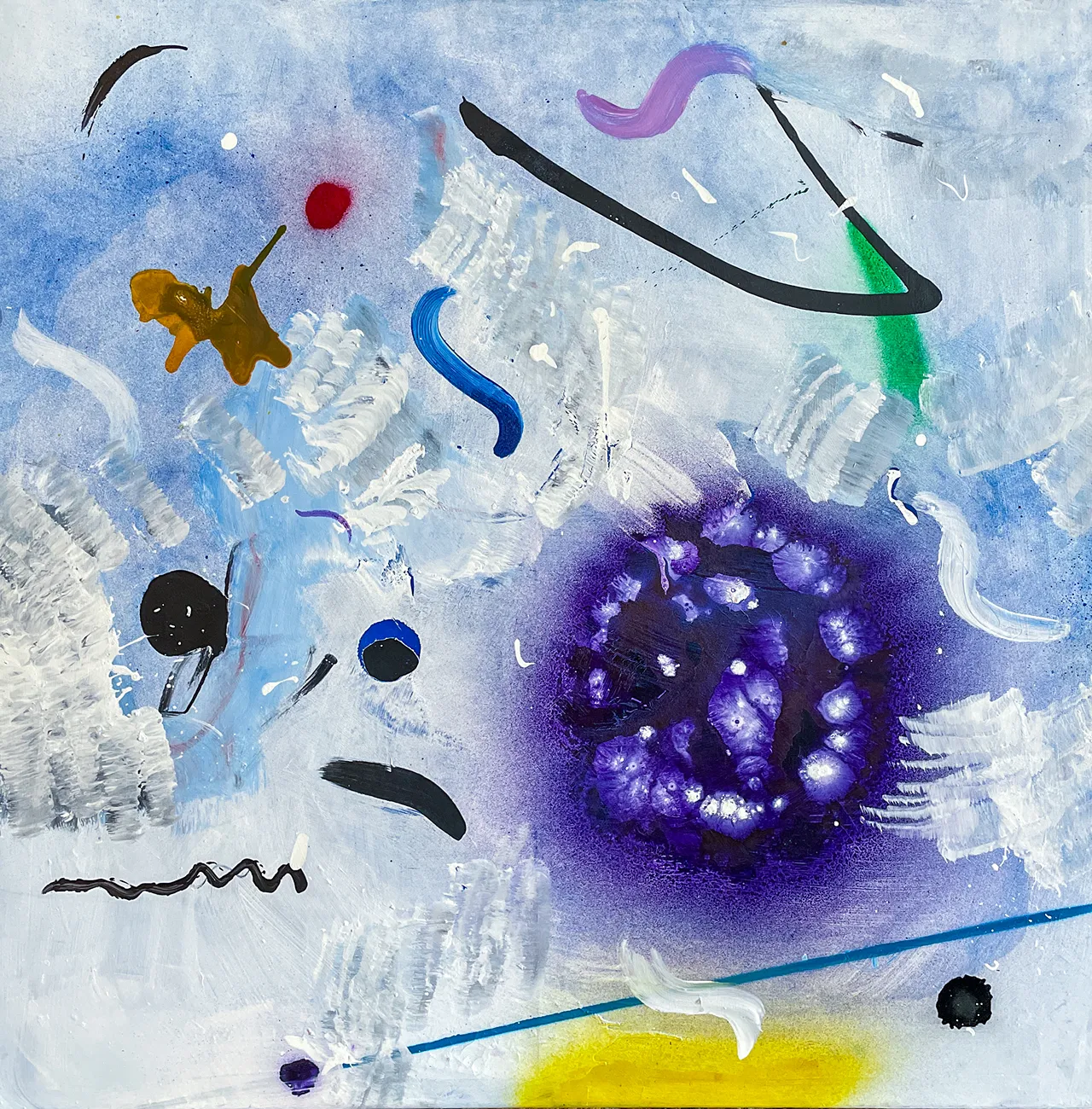
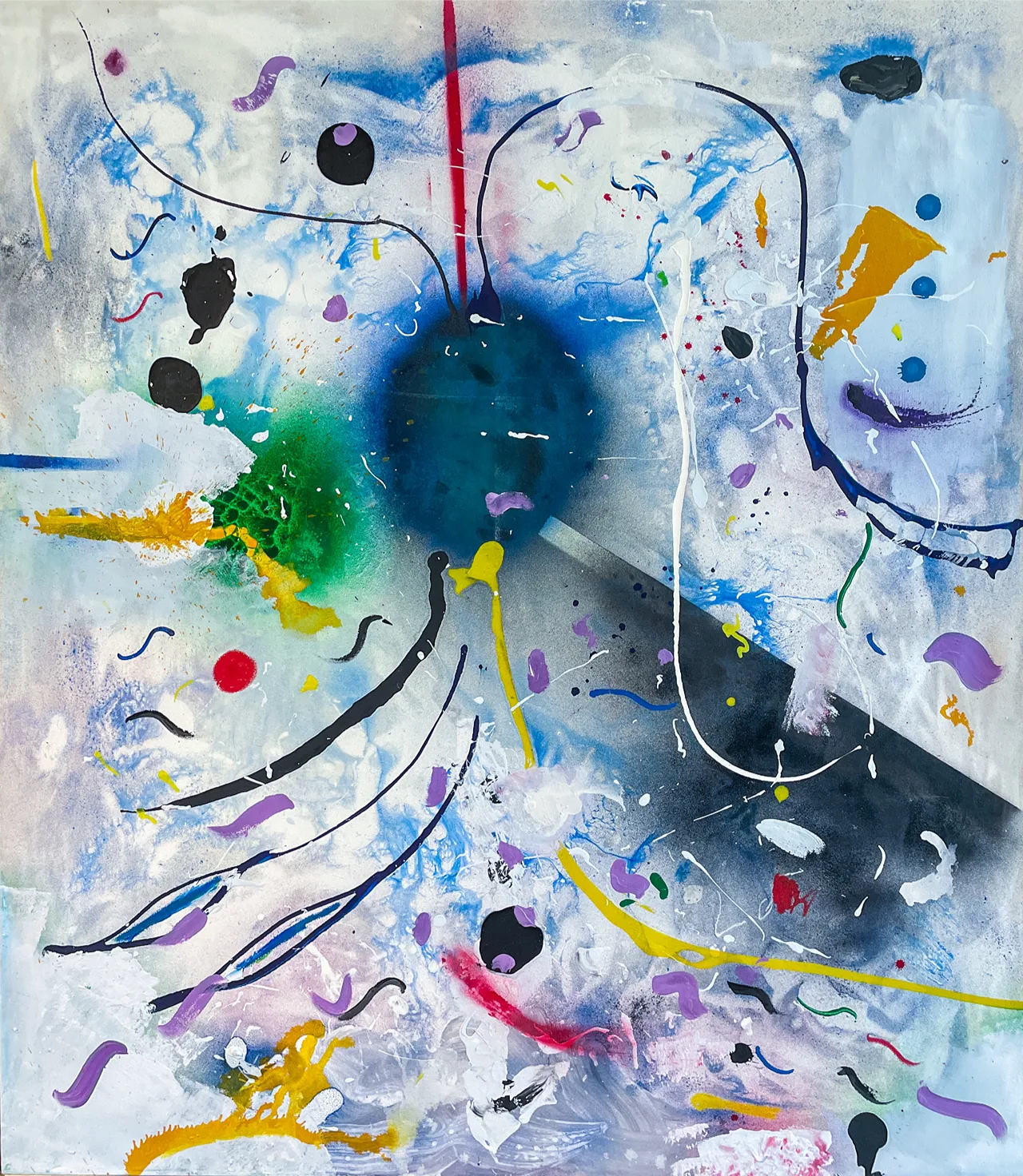
Praying Mantis is a body of work deeply rooted in the cultural, spiritual, and physical landscape of the Bo-Kaap. Created within the rhythmic pulse of this historic neighbourhood, the collection explores the delicate threshold where sacred reverence meets fluid, physical movement.
The title itself serves as a linguistic and conceptual bridge. In the Arabic language, the praying mantis is poetically known as the “prophet’s horse” (faras al-nabi). This evocative framing transforms the insect from a simple creature of nature into a vessel of spiritual journey and divine alignment—a guiding presence that carries a quiet, deliberate grace.
Living and working in the Bo-Kaap, the sensory environment heavily bled into the canvas. The daily echoes of prayer, the rich heritage, and the communal warmth of the area translated into a distinct kinetic energy, inspiring a feeling of dance and fluid momentum within the paintings. This sense of sacred motion was crystallised by a striking visual encounter in a local Muslim butcher, as captured in the images in the appendix. The image of the Nalayn Shareef, the beautifully stylised silhouette of the Prophet’s blessed sandal, represents not just a sacred emblem of protection and presence, but also a profound symbol of a spiritual journey on foot.
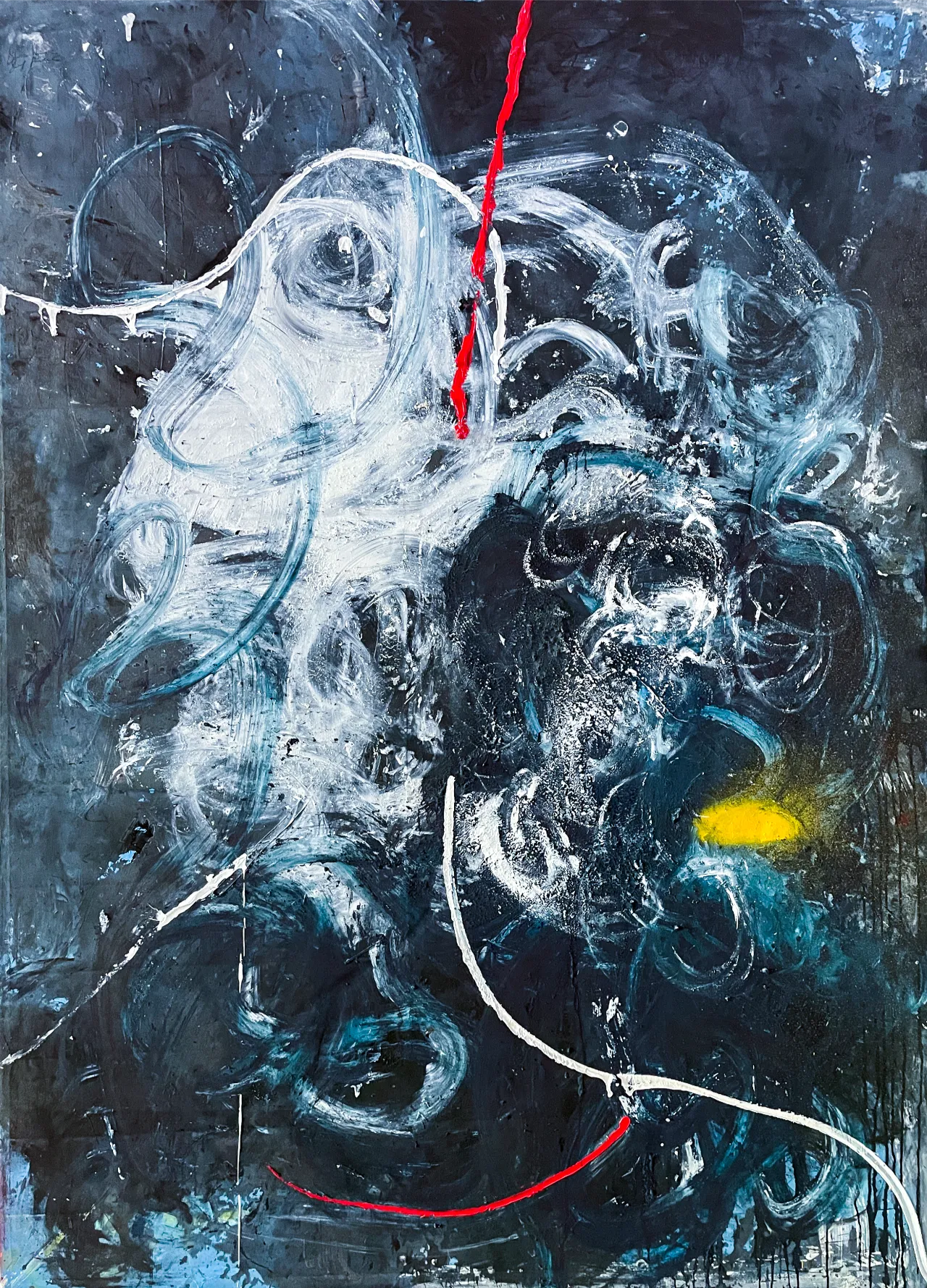
Blended with the expressive, marbled calligraphy seen in the second image, these visual textures directly informed the brushstrokes of this collection. The resulting paintings are a choreographic dialogue between tradition and abstraction. Through sweeping gestures and rhythmic compositions, Praying Mantis captures the essence of standing in a space where history is danced, devotion is felt, and everyday corners hold a quiet, soaring divinity.
ARTIST STATEMENT
April 2026
Come midnight, I will be out of sight.
Ngwazi is a self-taught South African artist renowned for his nonfigurative paintings. His practice reflects his desire to break free from the constraints of traditional representational art and explores the limitless possibilities of abstraction.
Ngwazi’s work is characterized by bold, vibrant colours and fluid lines that create a sense of movement and energy. His sweeping brushstrokes, and use of non-representational shapes, are layered to form complex, multidimensional compositions. A master of texture, his variety of techniques and paints results in rich, tactile surfaces. Expressing a deep spirituality, Ngwazi’s paintings evoke a sense of transcendence. In the artist’s vision, colours and forms have inherent spiritual properties and can be employed to elicit an emotional response in the viewer, without relying on traditional representational imagery.
My Left Hand Is My Son
By Nolan Stevens
The latest body of work by abstract artist Sibusiso Ngwazi, produced during his residency at the Asisebenze Art Atelier (AAA) in Johannesburg, is a compelling collection titled My Left Hand Is My Son. Created on recycled paper and canvas, the collection engages viewers with two unexpected elements: first, an unforeseen aesthetic, and second, a profound intellectual idea rarely explored in contemporary art.
Inspired by a father’s yearning for his child, this work stems from Ngwazi’s separation from his six-year-old son due to the long hours he dedicates to his craft. Reflecting on the moments they shared in the studio, Ngwazi recalls the joy and spontaneity of their interactions.
Much of the mark-making in this collection draws from what he describes as “childlike strokes”—bold, unguarded, and confident. These strokes aim to capture the creative purity embodied in his son’s drawings, achieving a spontaneity that is both unplanned and whimsically unexpected.
