

ARTIST STATEMENT
An exhibition by Siphiwe Mhlambi and Arthur Dlamini
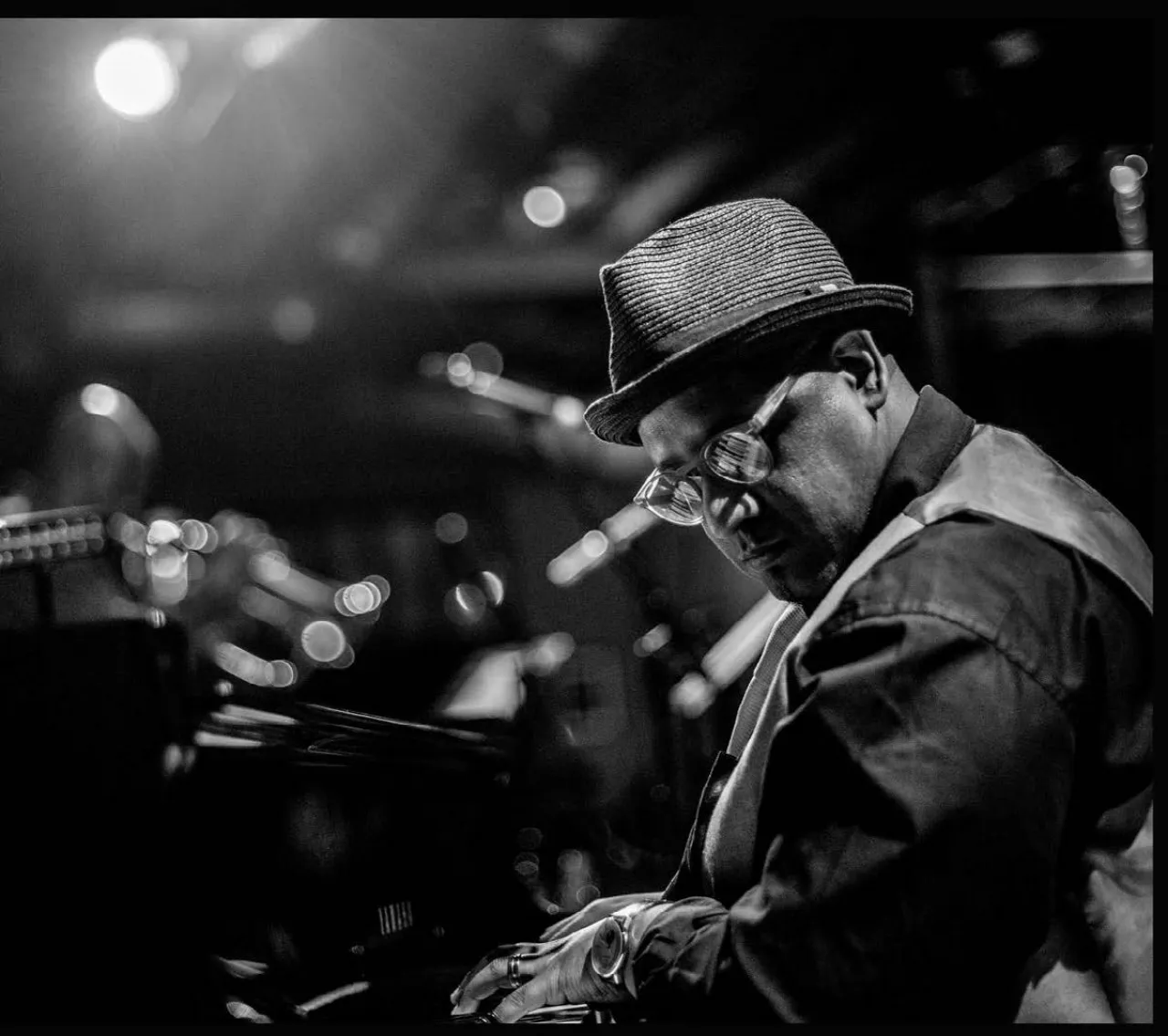
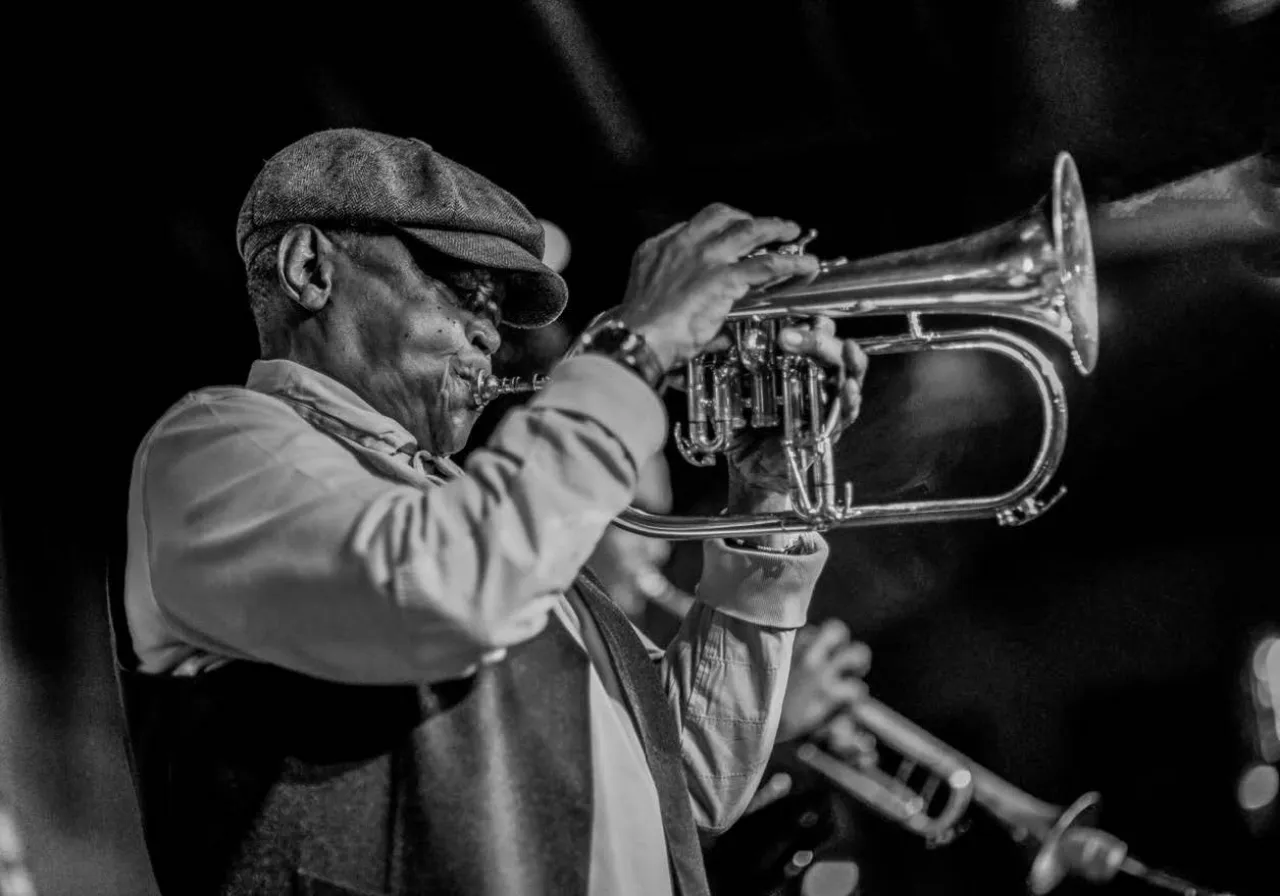
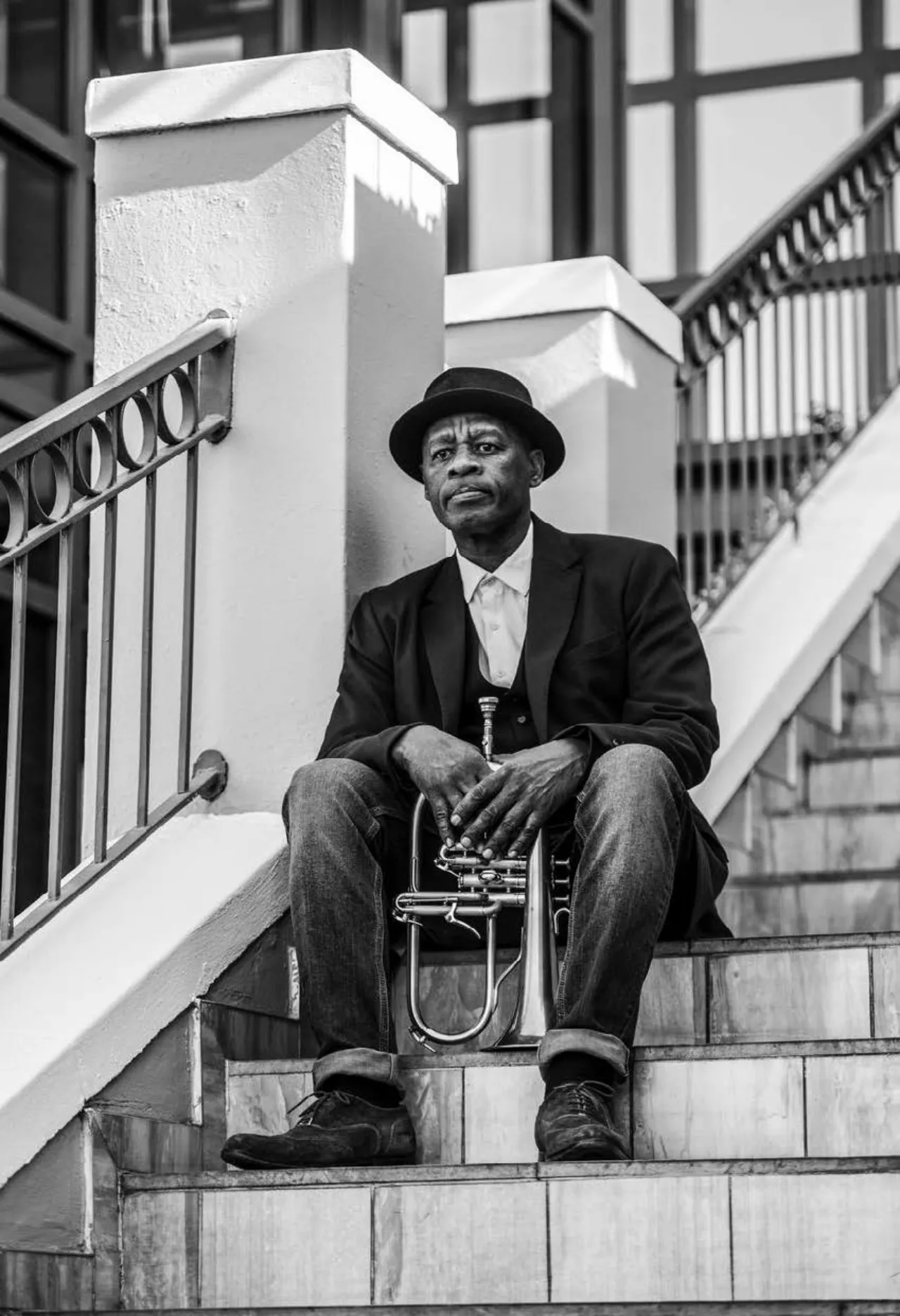
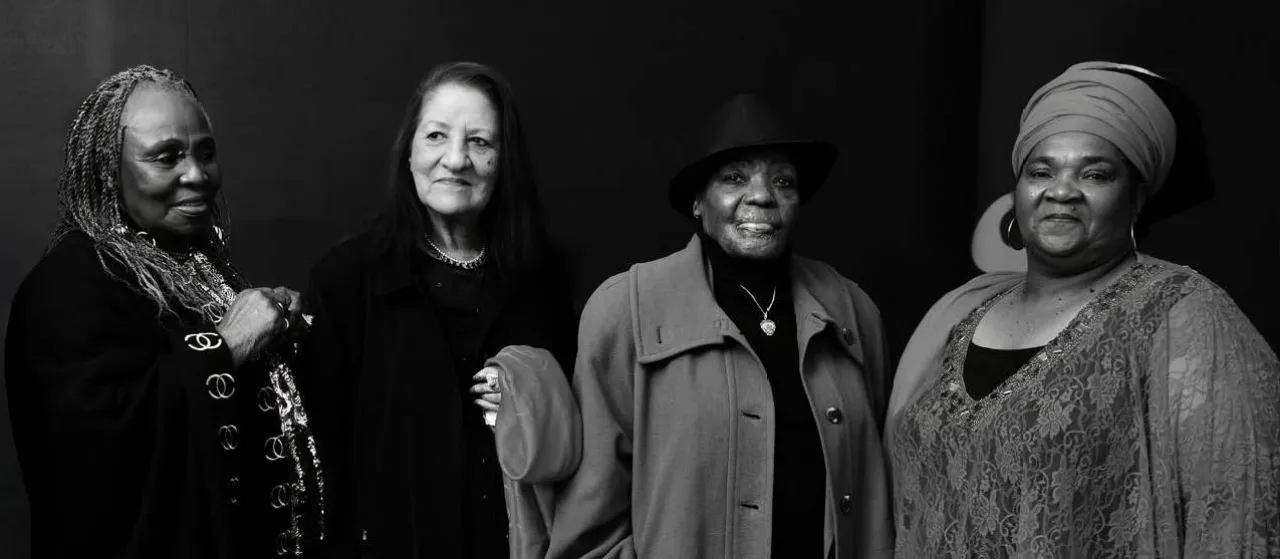
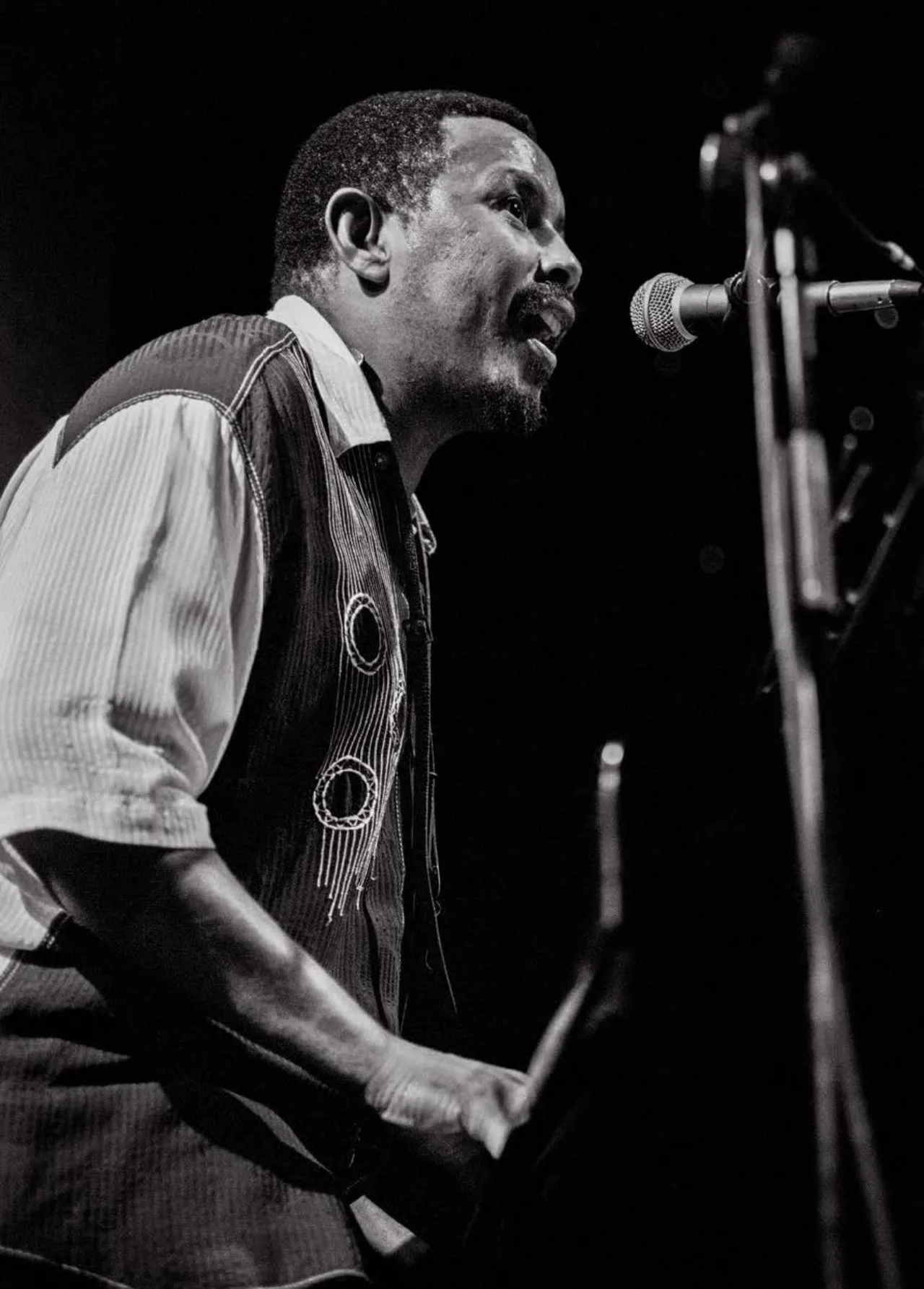
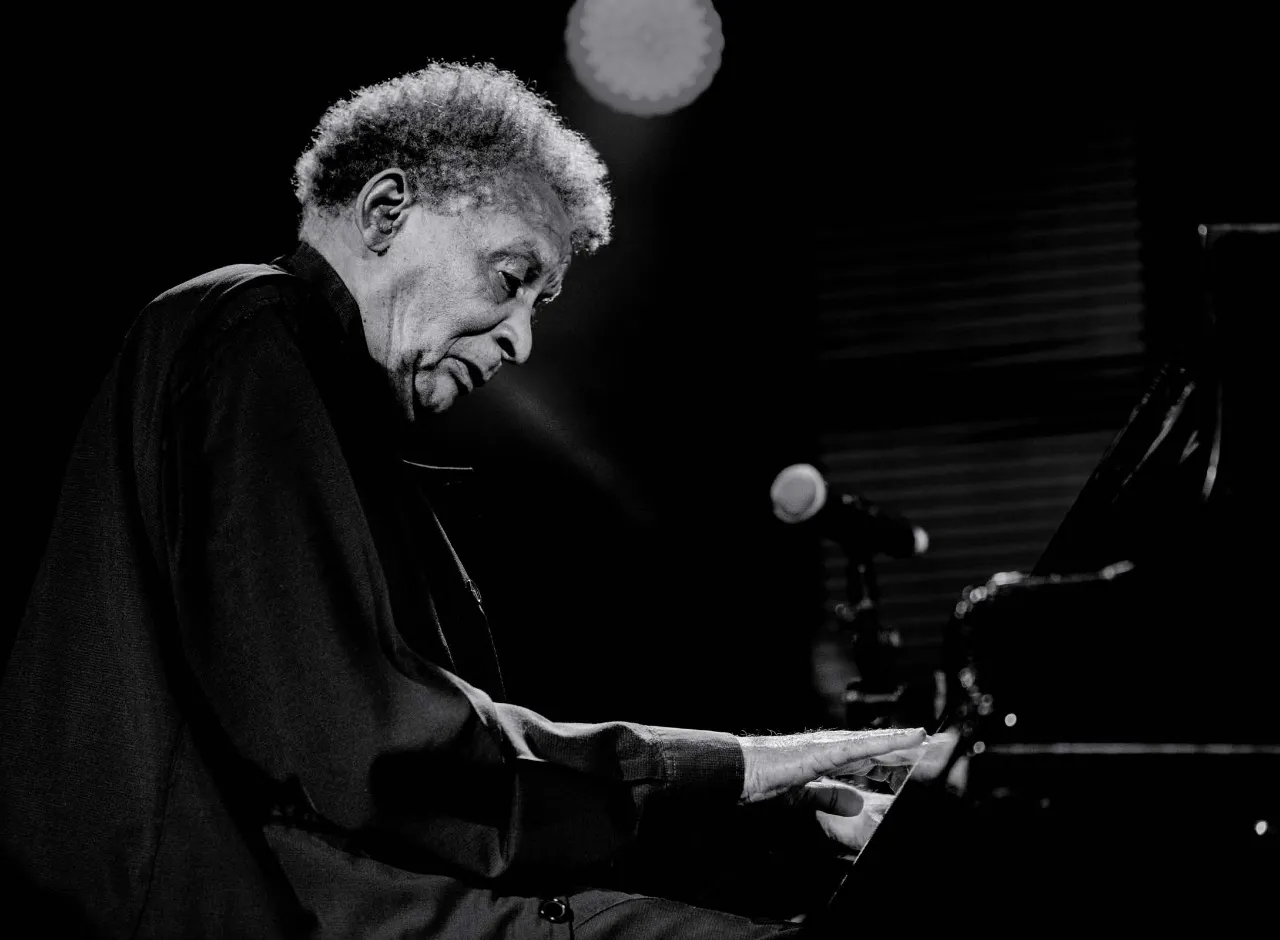
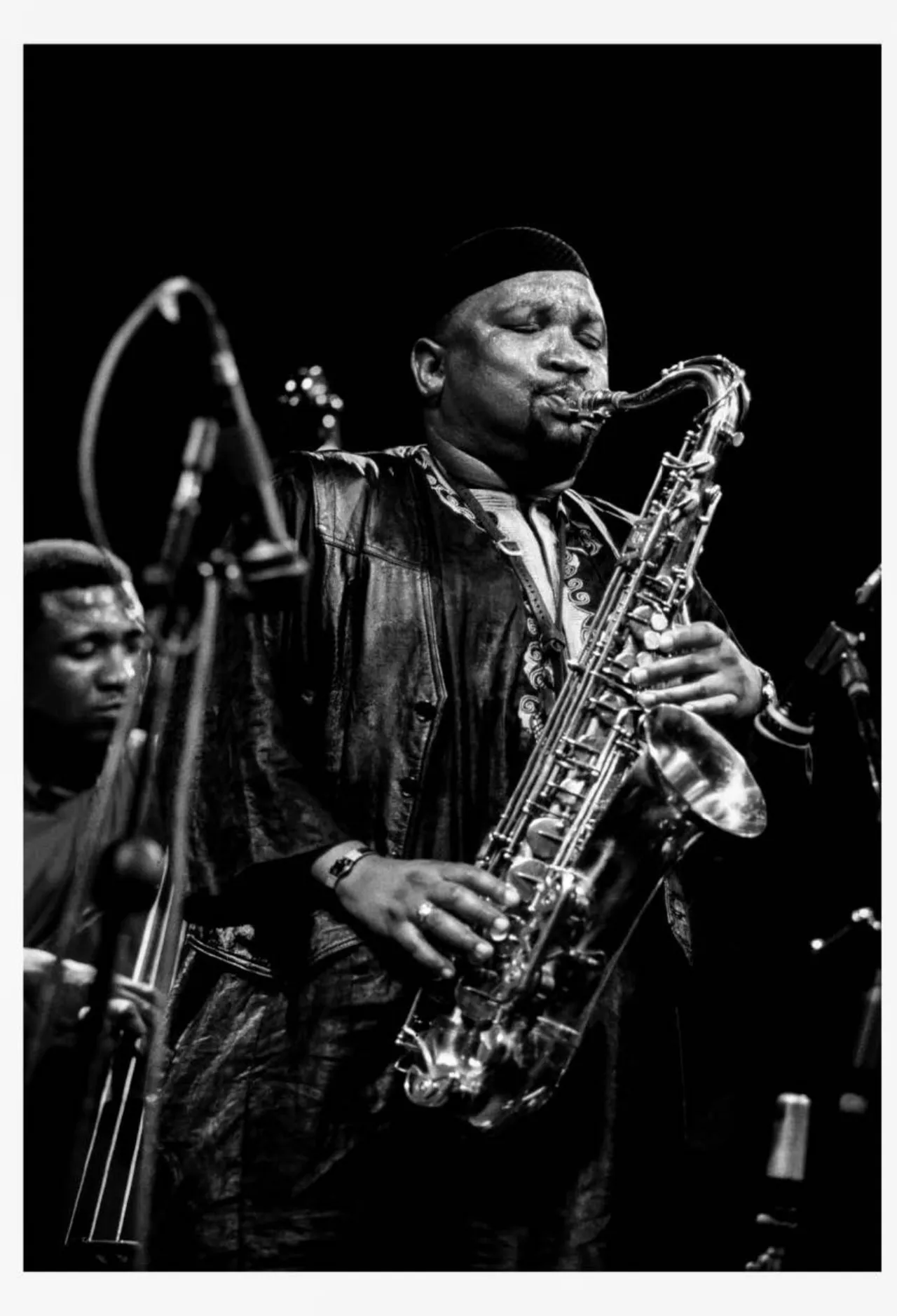
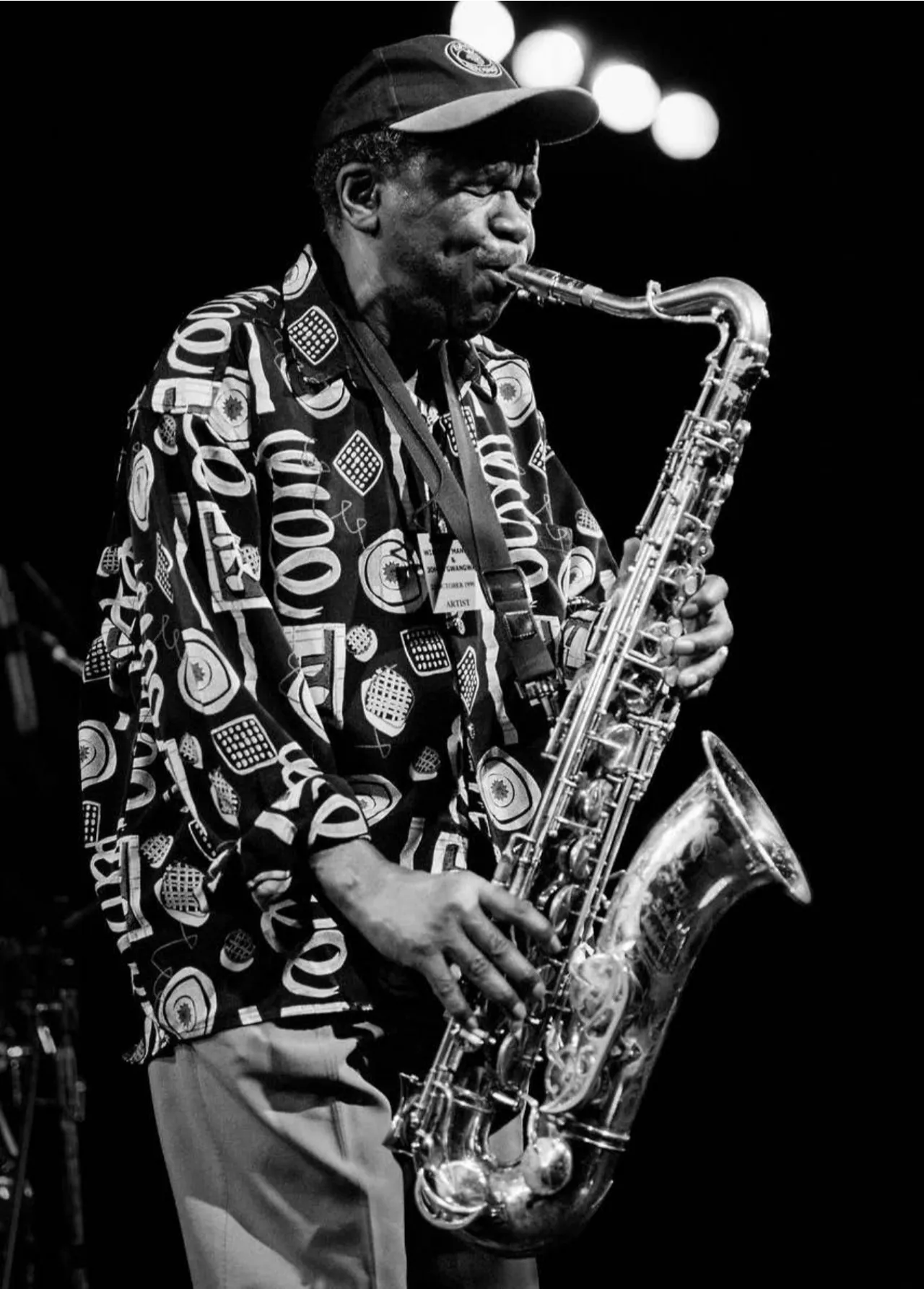
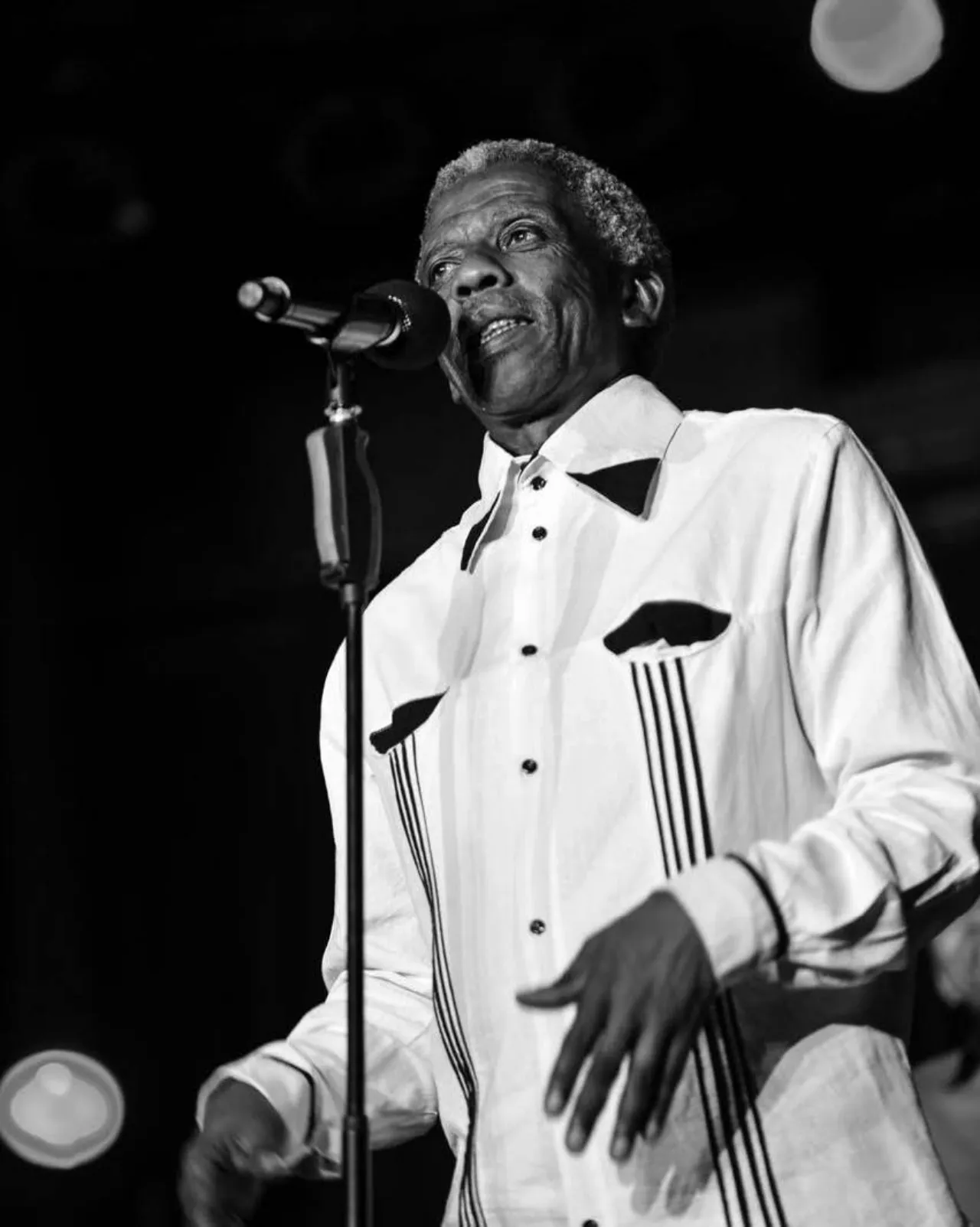
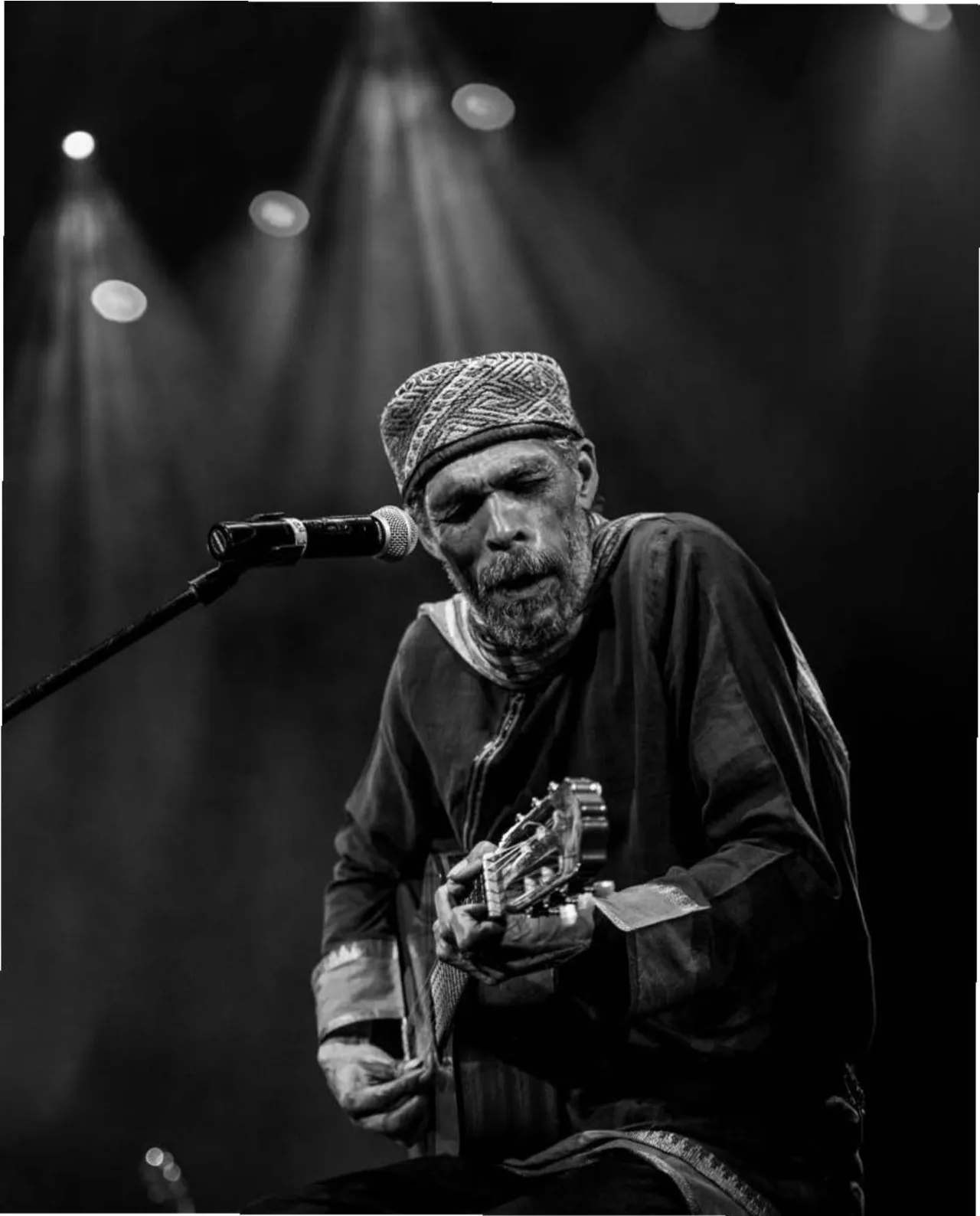
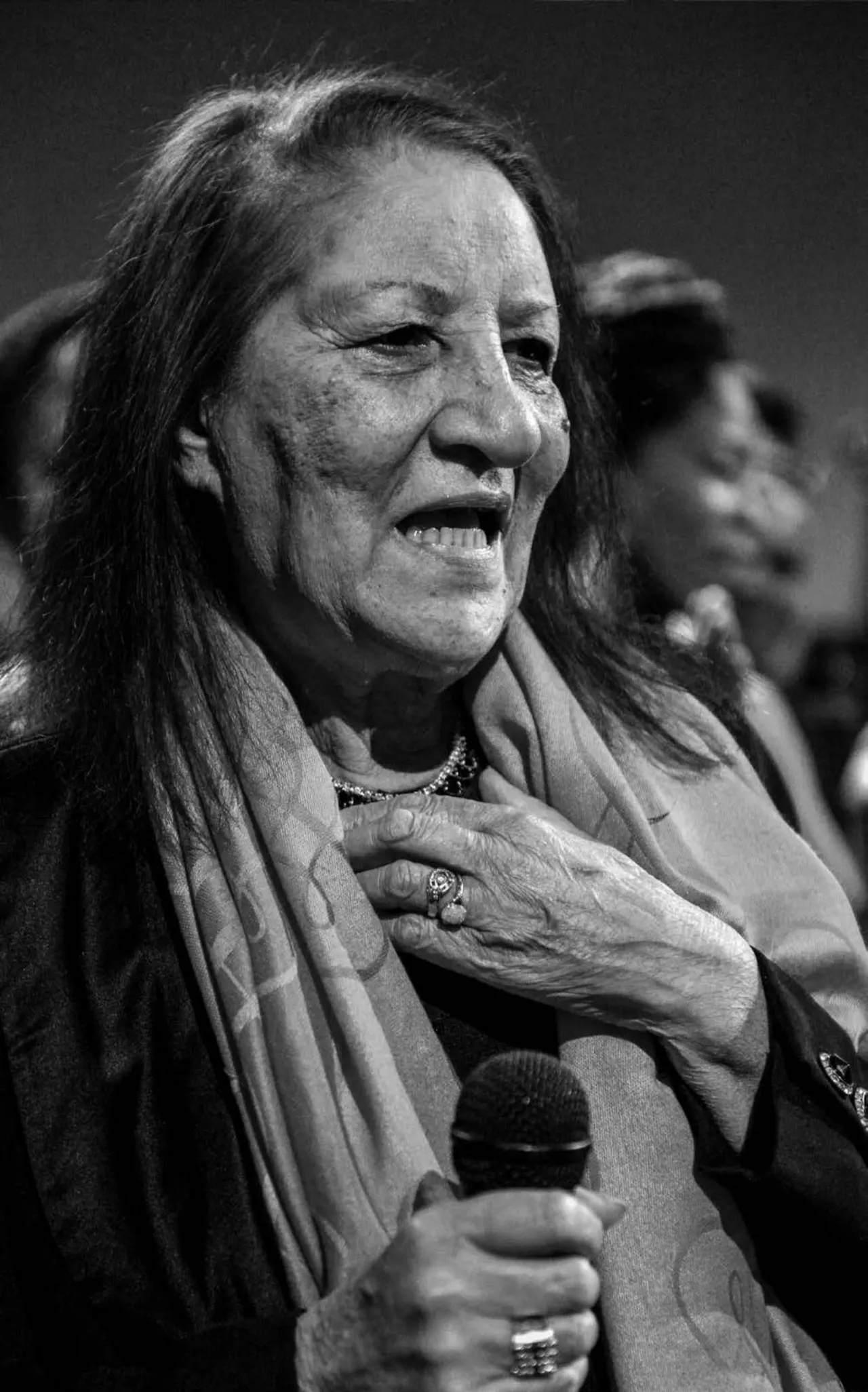
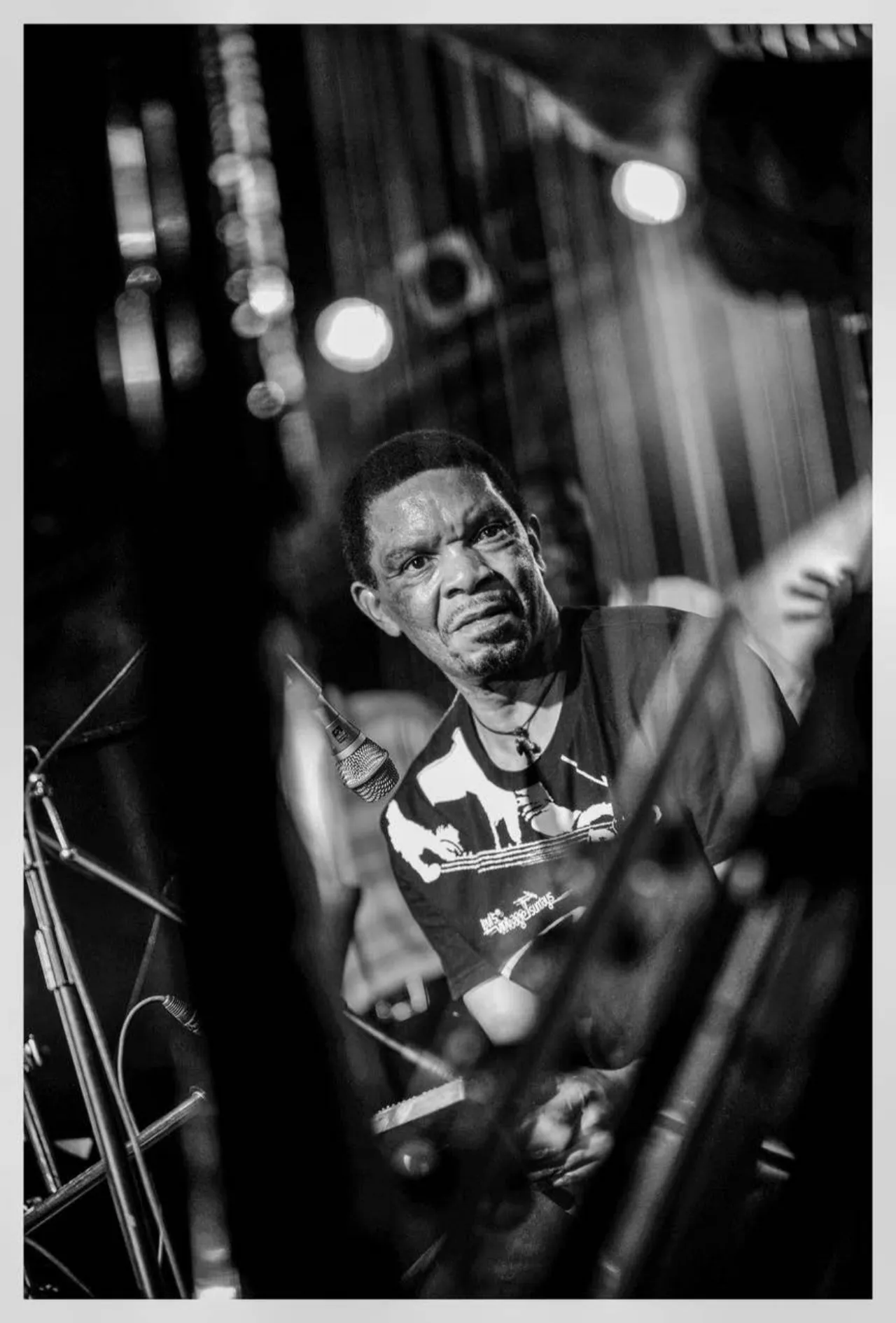
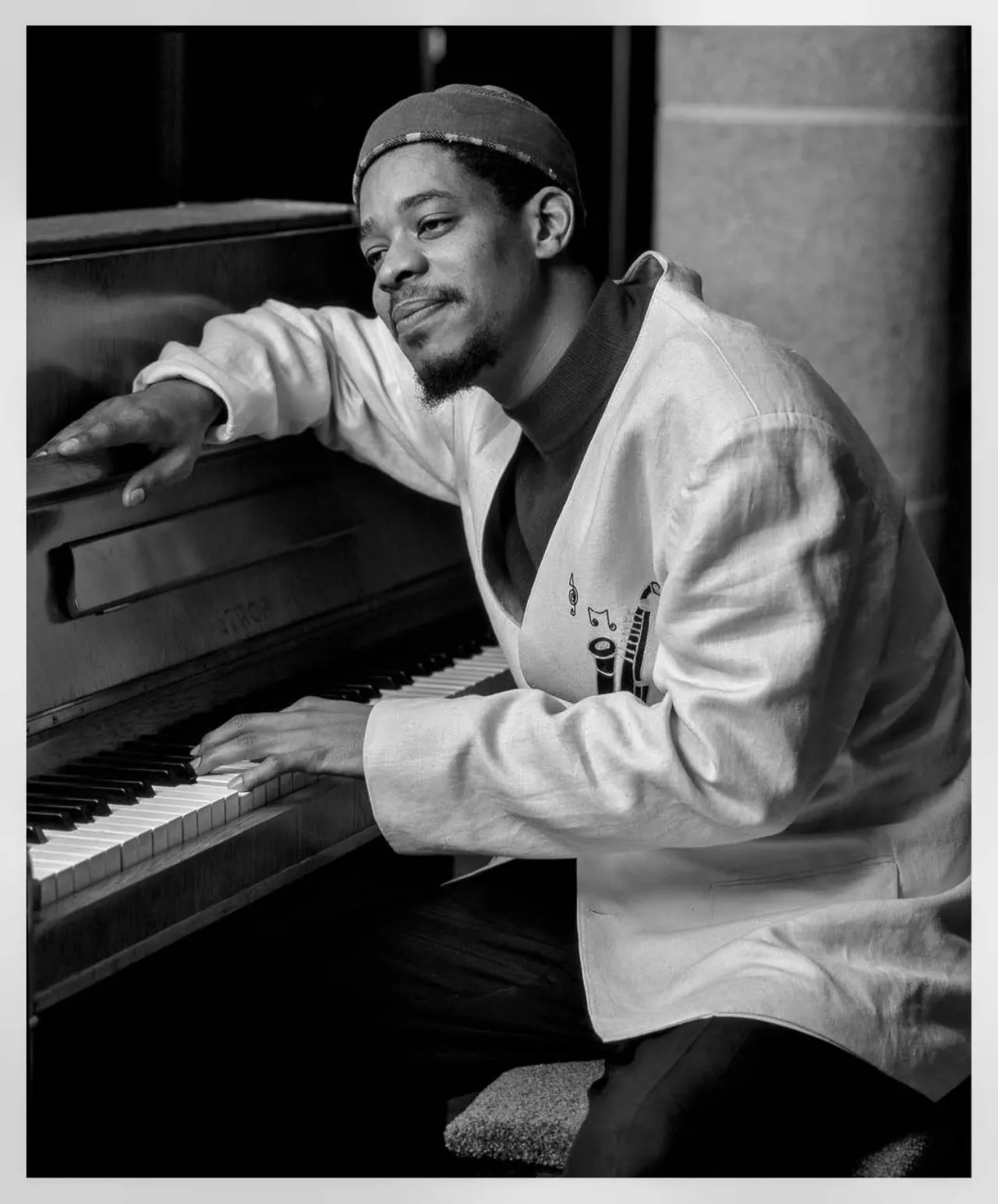
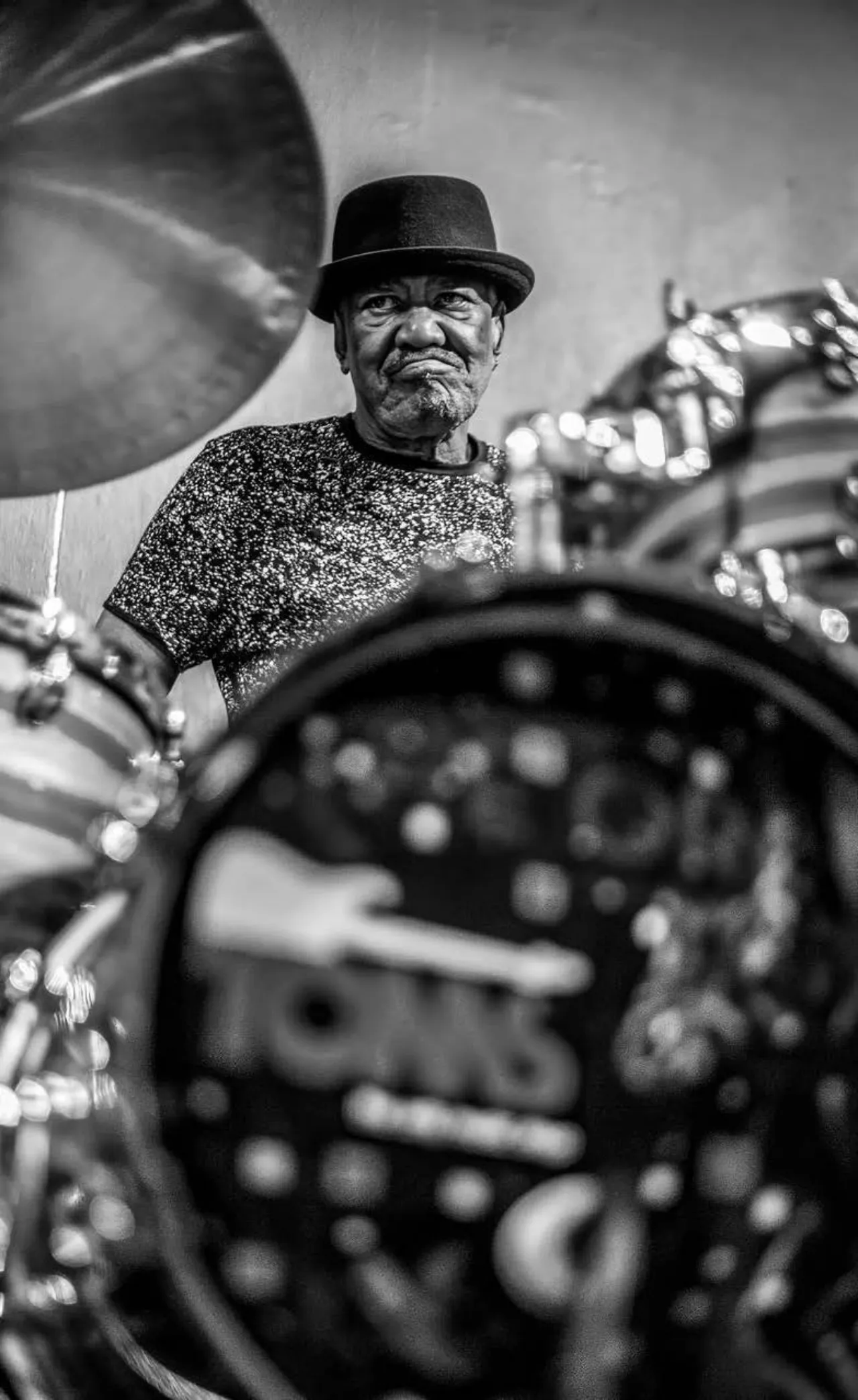
In a shared devotion to the sacred language of jazz, Siphiwe Mhlambi and Arthur Dlamini extend two lenses, one searching the metaphysical pulse of the present, the other grounding the continuum through decades of cultural witnessing and archiving. Together, they lean toward their subjects with reverend mischief, stealing still moments and movement alike.
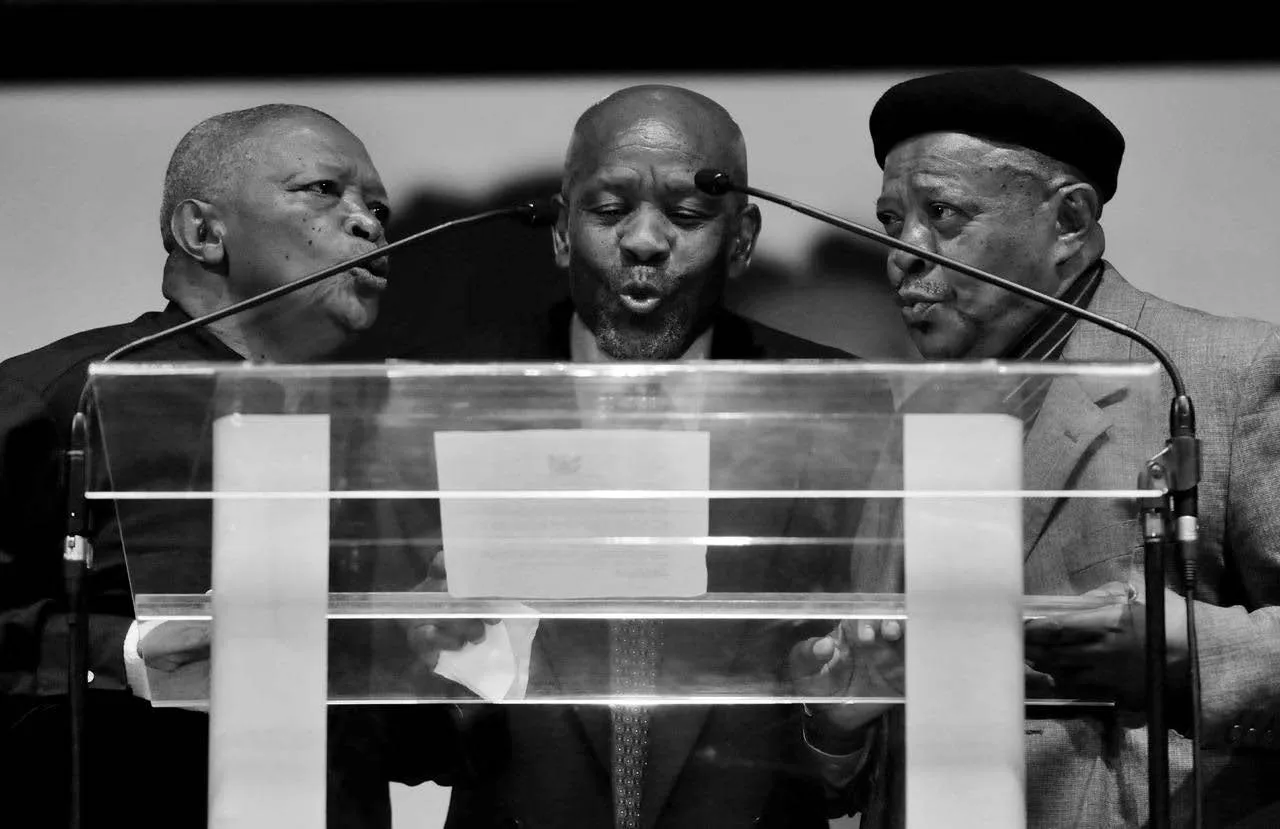
As they earnestly search beyond the performance to capture the sacred stillness between blue notes ringing and melodic voices singing, with horns humming and strings strumming, Mhlambi and Dlamini pull parallels between past and presence, witnessing amagqirha endlela elandelwa ngabo abayihambayo. Suspending time, they place two timelines in conversation. Flowers of the nation emerge in onochromatic glory: from Makeba to Mazwai, from Oxamu to Milele, the continuum made visible.
Across decades shaped by witnessing transition and cultural renewal, Siphiwe Mhlambi’s lens carries the long memory of South African jazz; its survival in dimly lit clubs, its celebration and return from exile. From the early days of his career, Mhlambi has moved through film stills, editorial portraiture, and live performance archives with his sharp lens and eager intuution. Grounded in documentary discipline and sharpened by a strong instinct for timing, context, and detail, his photography holds testimony: jazz as joy in time of turmoil, as furious fist raised in protest, jazz as communal celebration.
Then emerges Arthur Dlamini. Having spent years in close study of the artists he photographs, he displays the spiritual pulse of new-age South African jazz and the morphing of each generation. Dlamini traces this evolution, not only documenting the vessels on stage, but tracing uMoya weNgoma, how the soul of the song moves through bodies, breath, and breadth of the stage. From the melodic prayerwork of Nduduzo Makhathini, to feminist expression through song by Thandiswa Mazwai, to cultural and ancestral pride as voiced by Simphiwe Dana, his archive documents how contemporary artists expand jazz into personal cosmologies while remaining rooted in lineage.
Together, their work preserves jazz as nostalgia and living heritage alike; ukuxhasana kwamaxesha, timelines leaning on and learning from each other. A galactic transitional corridor folds time inward, dissolving voices across generations as history gently hands over the microphone. Mhlambi documents place and presence while Dlamini documents energy and embodiment.
These images across eras sit in quiet dialogue presented within the cultural pulse of the Cape Town International Jazz Festival. This exhibition is an act of cultural preservation, spiritual documentation, and historical continuity.
Written by Mkhokheli Dlamini
ARTIST BIOGRAPHY
Siphiwe Mhlambi is an acclaimed South African documentary and jazz photographer known for capturing the “soul” of his subjects. Often described as a “visual storyteller,” he has documented South Africa’s history from the volatile end of Apartheid to the vibrant democratic era. He has created visual reportage across film stills, editorial, documentary, portraiture, and commissioned work for clients such as filmmakers, style editors, government agencies, and advertising agencies. With more than 35 years of experience since starting at age 20, Mhlambi navigated Apartheid’s challenges and established a visual voice in the early 1990s during South Africa’s transition.
His subjects range from political figures and children in townships to royalty and influential leaders. His images have international acclaim and are sought after by galleries, universities, governments, and celebrities. He is renowned for jazz photography and is considered a premier archivist of the genre, capturing the emotion and ritual of performances. Key highlights include growing up in Soweto, facing hardships like poverty and orphanhood. He received his first camera at 13, which helped him start school. He began photojournalism in the 1980s and 90s for major publications like The Sowetan, mentored by Peter Magubane.
Mhlambi is known as South Africa’s custodian of jazz imagery, having photographed icons such as Hugh Masekela, Jonas Gwangwa, Miriam Makeba, Abdullah Ibrahim, Sipho “Hotsix” Mabuse, Sathima Bea Benjamin, and Nduduzo Makhathini. His awards include the Jazz World Photo Award (2024) and the Standard Bank Joy of Jazz Honours (2019). He founded African Skies Media to preserve South African stories.
His style is compared to Henri Cartier-Bresson, focusing on decisive moments, light, human connection, and history—bridging the painful past and celebratory present. Sandile Memela described him as an “accompanist” of jazz, using his camera as an instrument, and he authored the coffee-table book Rhythms in Black & White.
