

ARTIST STATEMENT
Tafadzwa Masudi (b. 1988) began painting at an early age in Harare, assisting a family friend who introduced him to the visual arts. In 2010, he moved to South Africa and worked in a clothing factory until 2020, when he was laid off. He used this as an opportunity to begin painting full-time, and his work soon featured in group exhibitions at galleries in Cape Town.
“Circumstances forced me to leave my country of birth. I relate to people who have had to travel elsewhere to create a better life, and this is what I currently paint—images that reflect their sense of self, their dreams, and their aspirations.”
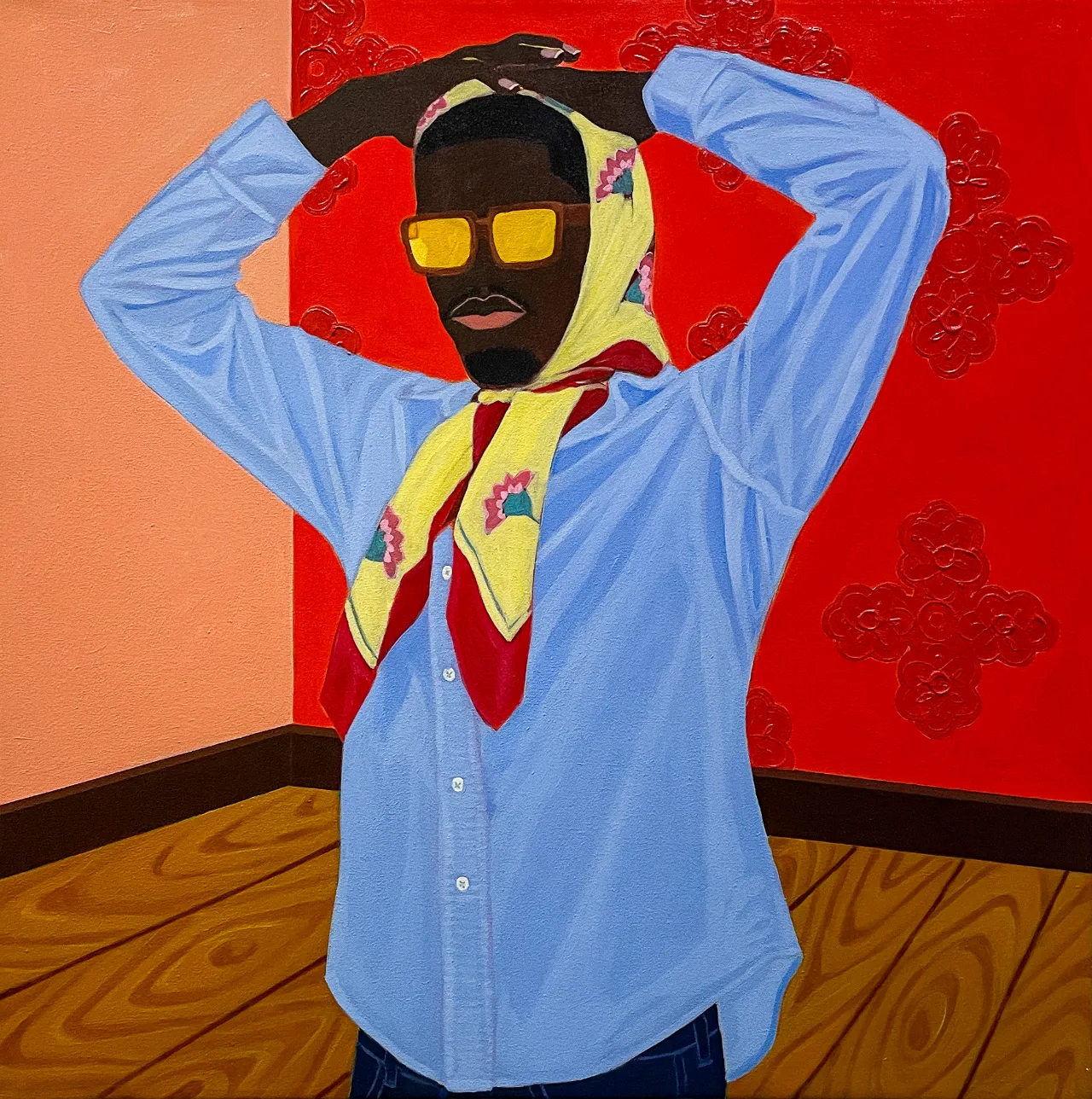
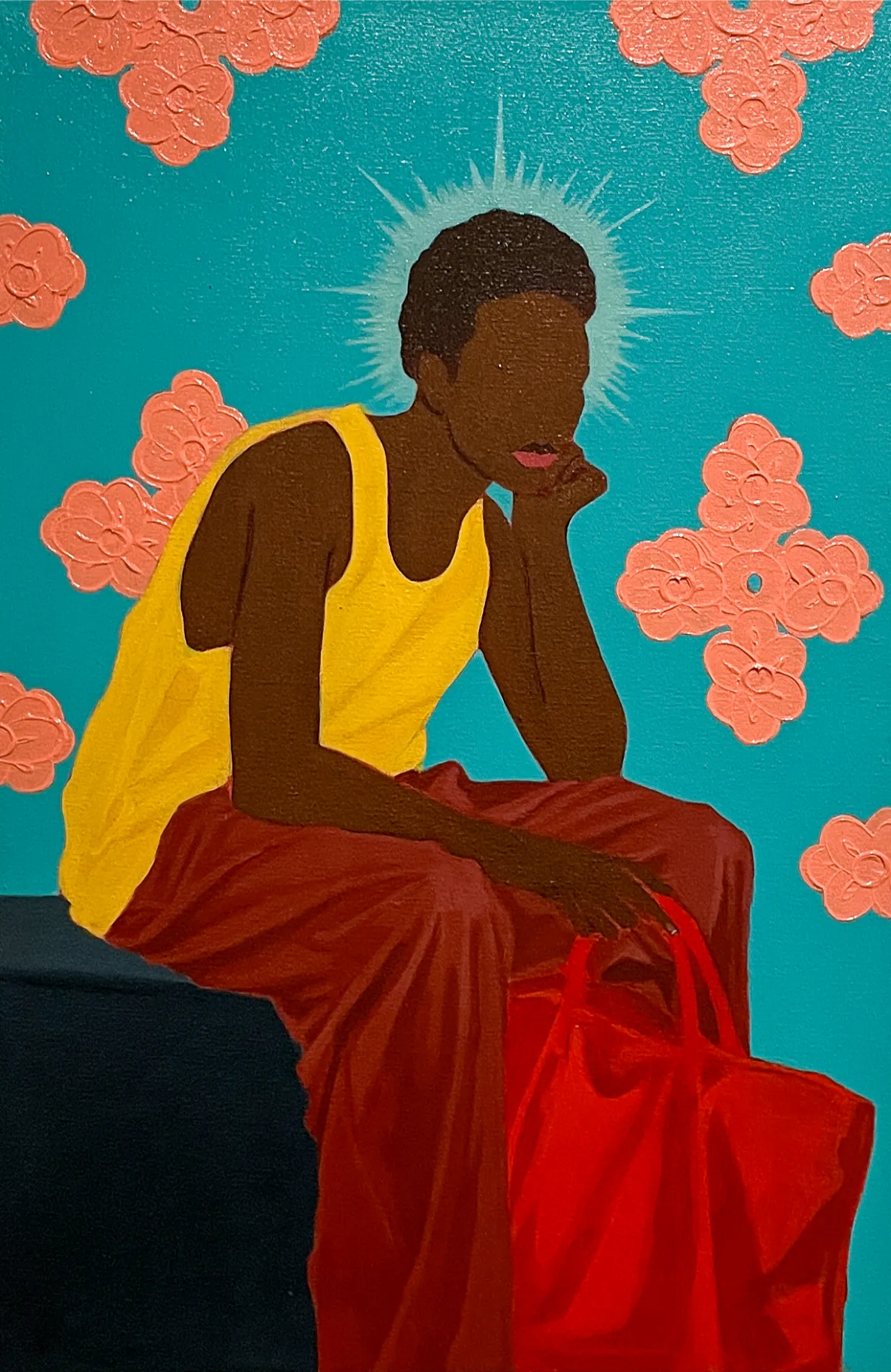
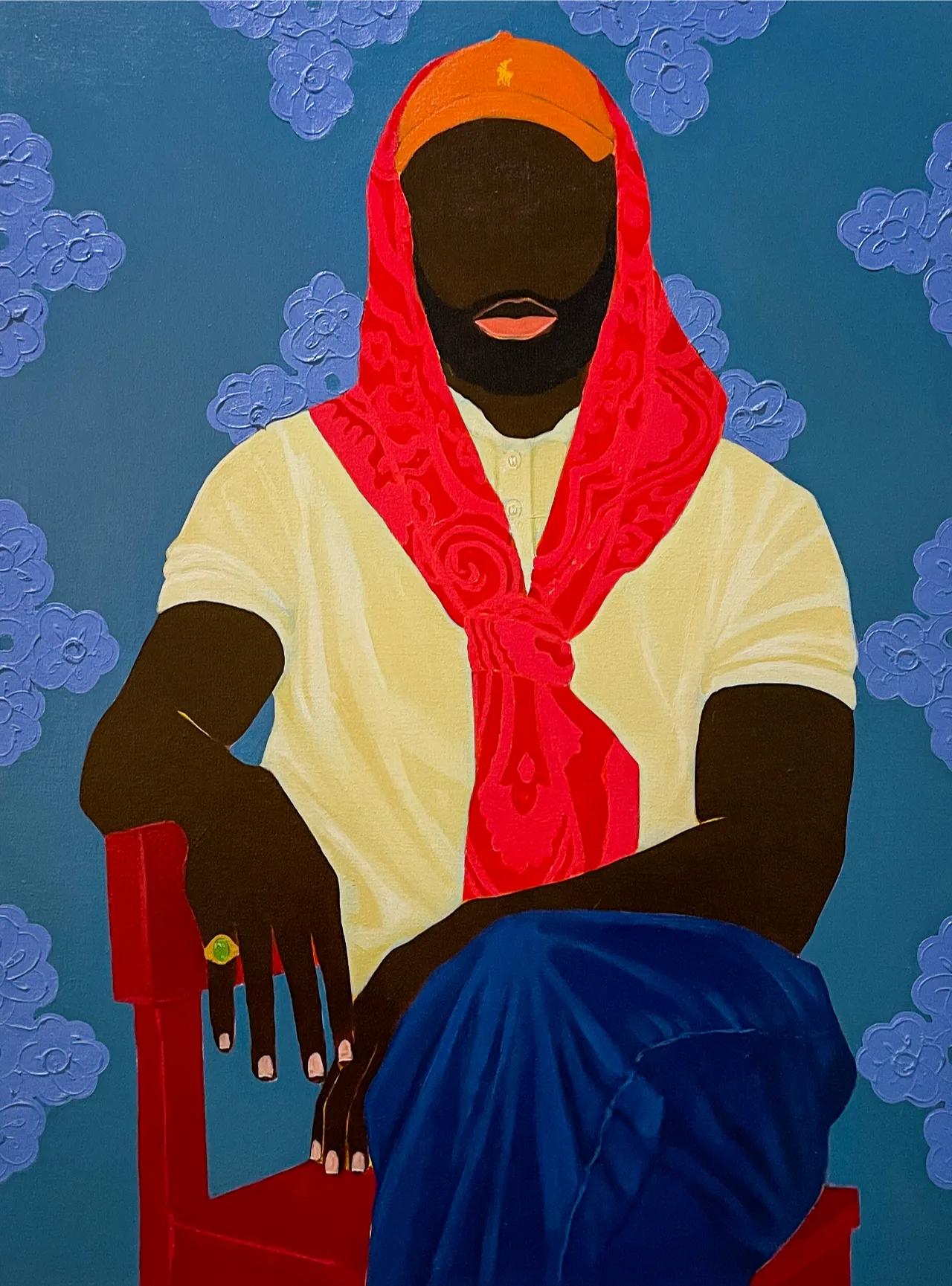
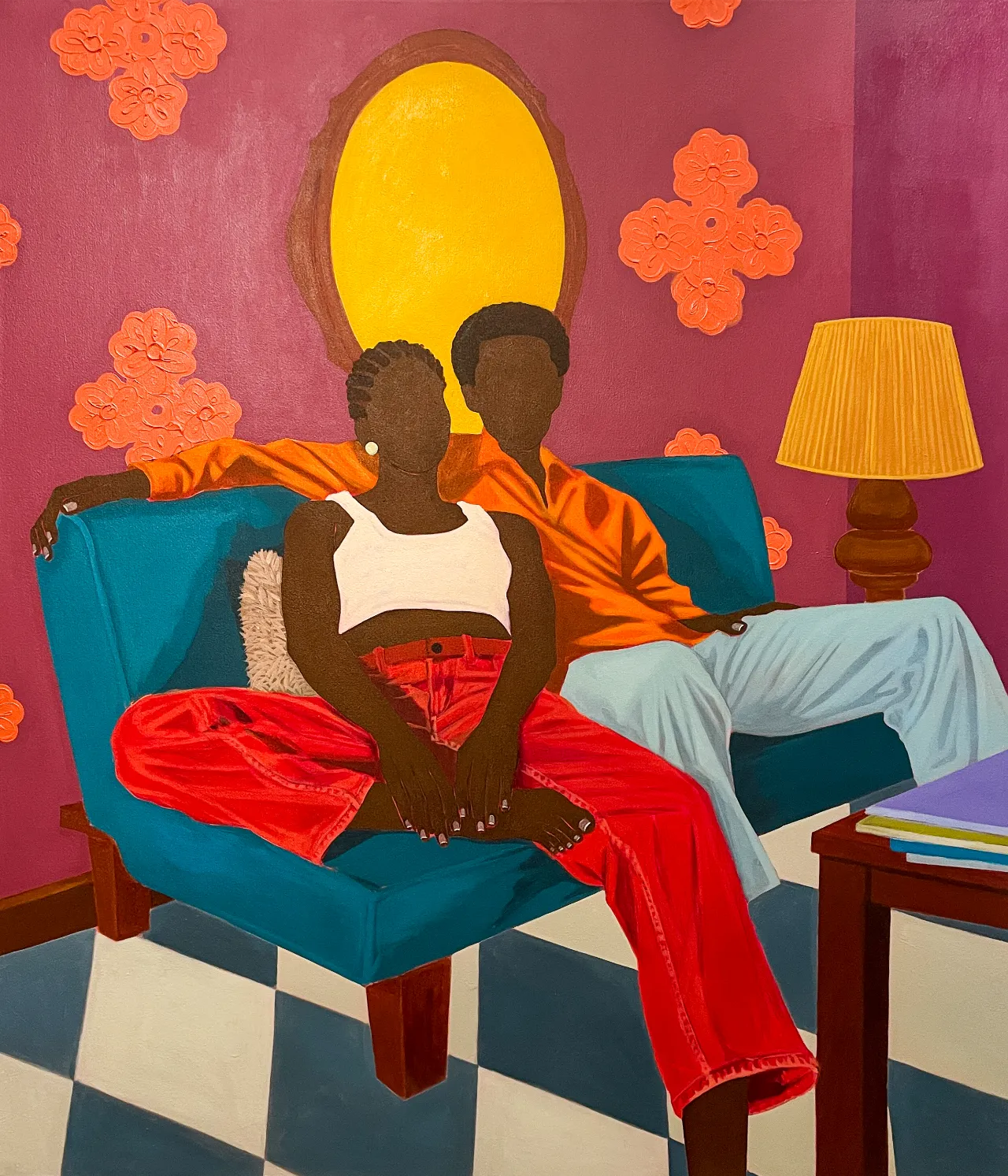
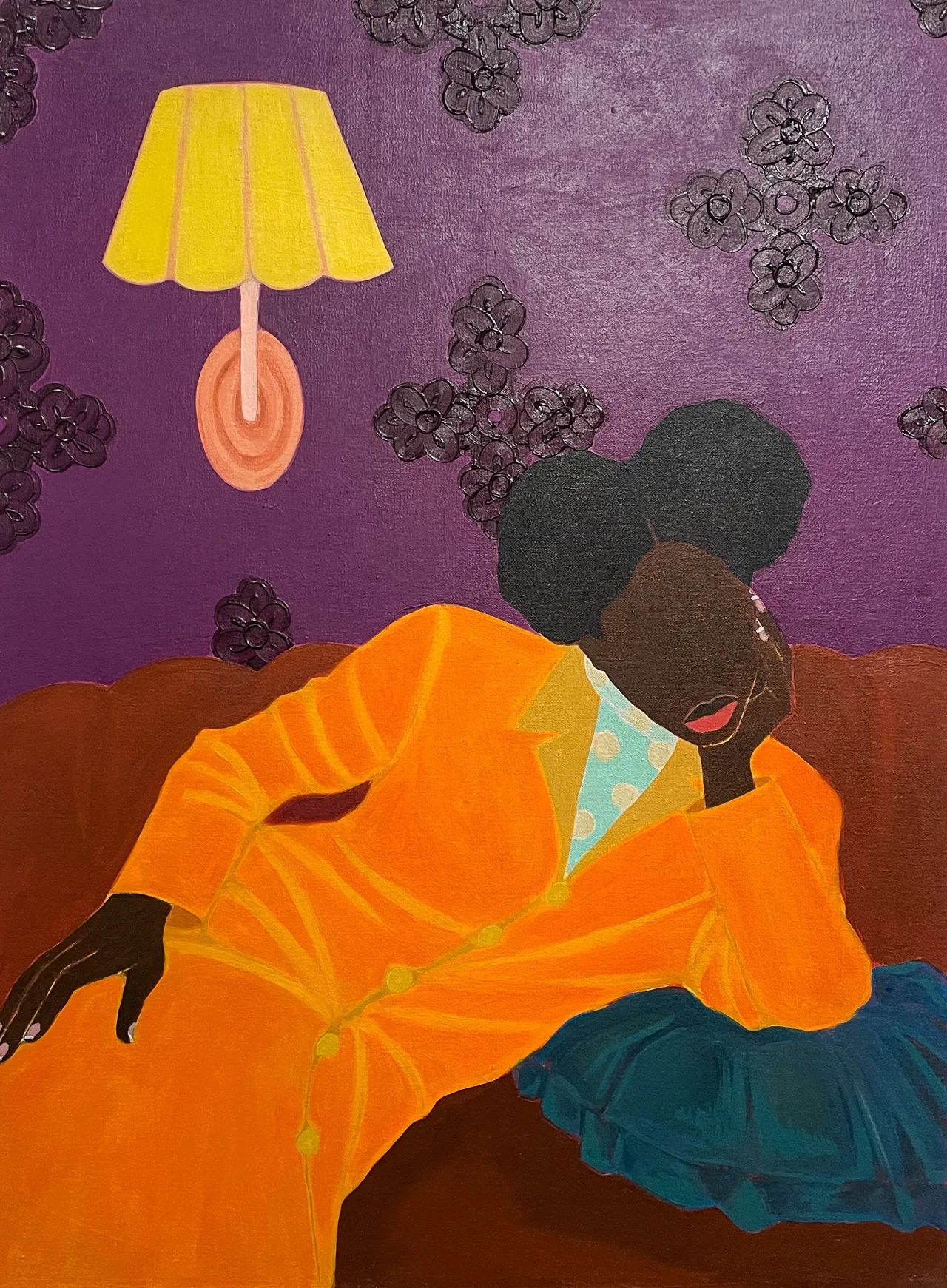
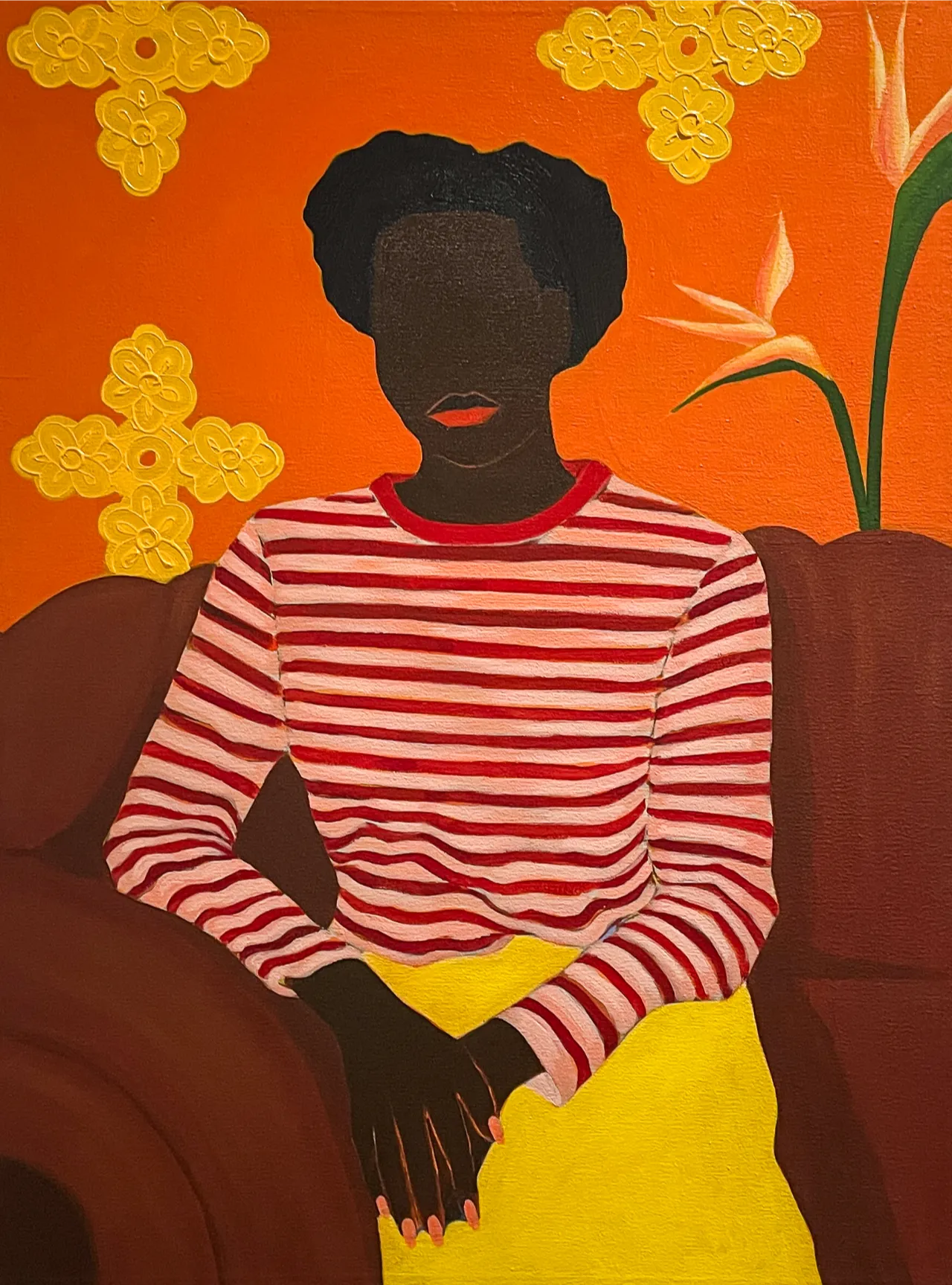
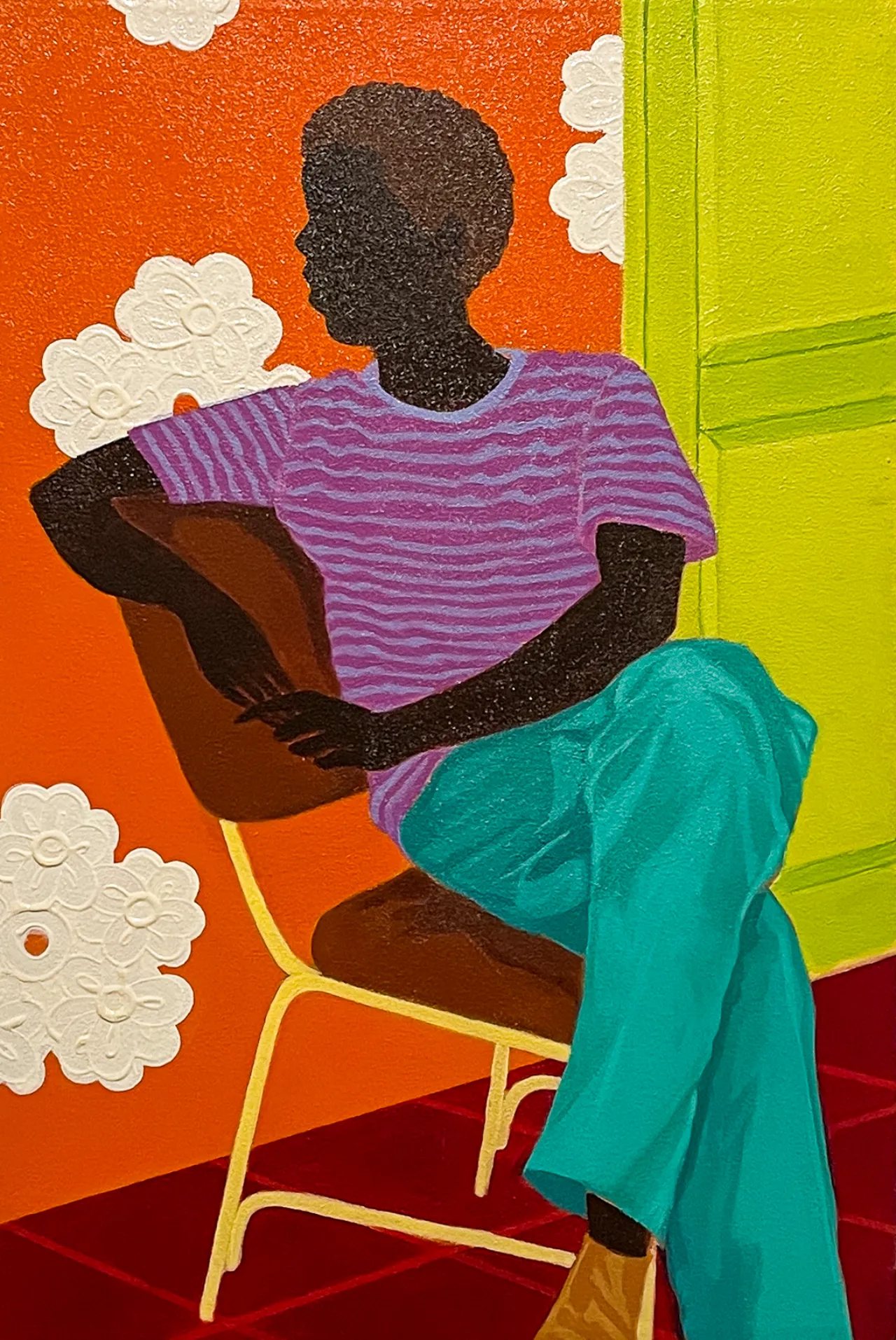
The displaced migrant often experiences a sense of loss of identity when settling in a new country. Without an established presence or equal access to opportunities, they can become nameless and faceless. Masudi’s characters also represent moments of introspection, where individuals reconnect with their dreams and aspirations.
Masudi’s paintings remind us that people are more than the popular narratives associated with their places of origin. Through his lens, individuals are presented with dignity, pride, dreams, and optimism.
June 2025
ARTIST STATEMENT
The word “kumuka” comes from Shona, a widely spoken language in Zimbabwe. At its core, it means “to rise,” “to awaken,” or “to return.”
Masudi’s paintings offer a view of the world through the eyes of the migrant. The journey of moving to a new country in search of a better life often brings challenges that are difficult to navigate. Beyond adapting to an unfamiliar environment—usually without the comfort of a long-established support network or a culturally recognized identity—migrants must also adjust to a reality where their customs and way of life are no longer the norm.
Kumuka speaks to a kind of rebirth and transformation. It’s not only about rising to meet new challenges or adapting to new circumstances, but also about reconnecting with a deeper sense of purpose. At its heart, kumuka is a call to action—a symbol of growth, renewal, and awakening. In the context of migration, it can also represent a spiritual or emotional return: a reconnection with one’s cultural heritage and traditions.
With this exhibition, Masudi’s figurative paintings celebrate the awakening captured in the idea of kumuka. In earlier works, his subjects were often portrayed as individuals filled with hopes, dreams, and uncertainty. In this new body of work, they reveal a deeper sense of peace and self-assurance. The challenges remain, but the figures seem more grounded—more in touch with universal truths and their individual essence.
ARTIST BIOGRAPHY
Tafadzwa Masudi (b. 1988) began painting at an early age in Harare, Zimbabwe, while assisting a family friend who introduced him to the visual arts.
In 2010, he moved to South Africa and worked in a clothing factory until 2020, when he was laid off. This turning point gave him the opportunity to pursue painting full-time. His work soon began appearing in group exhibitions at galleries in Cape Town. “Circumstances forced me to leave my country of birth. I relate to people who had to travel elsewhere to create a better life—and this is what I currently paint. Images that show their sense of self, their dreams, and their aspirations.”
Displaced migrants often experience a sense of lost identity when settling in a new country. Without an established presence or equal access to opportunity, they risk becoming nameless and faceless. Masudi’s figures reflect that moment of introspection—when individuals remember who they are and what they dream of becoming. His paintings serve as powerful reminders that people are more than the common narratives attached to their places of origin.
Through his work, people are portrayed with pride, dignity, and optimism—each a unique story of perseverance and humanity.
